
All the programmes offered by the College come under CBCS and OBE. It helps the students to keep pace with the latest developments and trends in higher education in compliance with the assurance of quality in liberalisation and globalisation. This came into effect from the year 2005-06, as per the guidelines of the affiliating university. A restructured syllabus is introduced from the year 2010, as the college became autonomous, at all levels of U.G. and P.G. Programmes. The structure and syllabi are subjected to revision at least once in three years or as and when required.
The University Grants Commission (UGC) has initiated the mission of improving the quality of higher education in India through its Quality Mandate in the year 2018. This aims to fill the gap in acquiring degree and attain the level of employability. Therefore, it took the drive for developing Learning Outcomes based Curriculum Framework (LOCF) under the international standards of Outcome Based Education (OBE).
Learning in this pattern, Bachelor’s Degrees are awarded on the basis of demonstrated achievement of outcomes (expressed in terms of knowledge, understanding, skills, attitudes and values) and academic standards expected of graduates of a programme of study. Learning outcomes specify what exactly the graduates are expected to know after completing a particular programme of study, understand and capable of doing what they ascertain at the end of their programme of study. The expected learning outcomes are used as reference points that would help formulate graduate attributes, qualification descriptors, programme learning outcomes and course learning outcomes which, in turn will help in curriculum planning & development, and in the design, delivery and review of academic programmes. They provide general guidance for articulating the essential learning associated with programmes of study and courses within a programme.
Keeping in mind the approach of the UGC on LOCF and by its directions, our College, through its august Academic Council, decided to implement OBE in the curriculum from the academic year 2019-20 onwards.
The term ‘Credit’, refers to the weightage given to a course, usually in relation to the instructional hours and content of the course assigned to it. The total minimum credits, required for completing U.G. Programme, and PG Programmes are 140 and 90respectively. Details of credits for individual components and individual courses are to be obtained from the programme structure / syllabus found in the college website.
| S.No | Degree Name | Courses Name |
|---|---|---|
| 1 | B.A., |
Economics English History Tamil |
| 2 | B.Sc., |
Botany Chemistry Geology Mathematics Physics Zoology |
| 3 | B.Com., | Commerce |
| 4 | M.A., |
Economics English Tamil |
| 5 | M.Sc., |
Botany Chemistry Applied Geology Mathematics Physics |
| 6 | M.Com., | Commerce |
| S.No | Degree Name | Courses Name |
|---|---|---|
| 1 | B.A., | English |
| 2 | B.Sc., |
Biotechnology Bioinformatics Chemistry Computer Science Computer Applications Data Science Geology Information Technology Mathematics Microbiology Statistics Physical Education Physics Zoology |
| 3 | B.Com., |
Computer Applications Business Process Services Bank Management Professional Accounting |
| 4 | B.M.S., | Agri. Storage and Supply Chain |
| 5 | B.B.A., | Business Administration |
| 6 | B.B.A Aviation | Aviation Management |
| 7 | B.C.A., | Computer Applications |
| 8 | B.Lit., | Tamil Literature |
| 9 | B.Voc., | ICT |
| 10 | M.A., | English |
| 11 | M.Sc., |
Biotechnology (Under DBT-PG Programme),
Chemistry, Analytical Chemistry Microbiology Computer Science Applied Geology Information Technology Mathematics Physics Zoology Yoga |
| 12 | M.Com., |
Commerce Financial Management |
Hindi, Sanskrit and Tamil are offered as Part I optional languages. Students can choose any one of the three. For choosing Hindi or Sanskrit, no basic knowledge in the concerned language is required.
Biotechnology, Botany, Chemistry, Commerce, Computer Science, Economics, English, Geology, Business Management, Mathematics, Microbiology, Physical Education, Physics, Tamil and Zoology.
| S.No | Title of the Programme | Department |
|---|---|---|
| 1 | Diploma in Journalism and Mass Communication | English |
| 2 | Diploma in Teaching English | English |
| 3 | PG Diploma in Analytical Chemistry | Chemistry |
| 4 | Diploma in Fabrication Engineering | Physics |
| 5 | Certificate Course of Library & Information Science | Library |
| 6 | Certificate Course in Calligraphy | Library |
| 7 | Certificate Course in R Programming | Computer Science |
Every programme is semester-based. The odd semester is the period between June / July and October / November. The even semester is the period between November / December and April / May. Each semester, the college works for a minimum period of 90 days.
The U.G. and P.G. Programmes consist of a number of courses. The term ‘course’, technically means the term ‘paper’, which we have been using so far. The Courses can be classified as Language Course, Core Course, Allied Course, Elective Courses (non-major elective & skill-based elective), Environmental Studies, Value Education, Gender Studies and Project work. The courses shall vary according to the Programmes and internal choices. The College website www.nct.ac.in gives a detailed description of each of these Courses.
(For the students admitted in 2023-2024 & 2024-2025)
The U.G. students are to choose any two of the Non-major Elective courses given in the following list.
| Subject Code | Title | Department |
|---|---|---|
| U22TLME1.1 | Pechukkalai | TAMIL |
| U22TLME1.2 | Sirappu Tamil - I* | |
| U22TLME1.3 | Adippadai Tamil - I* | |
| U22TLME2.1 | Sindhanaiyiyal | |
| U22TLME2.2 | Sirappu Tamil - II* | |
| U22TLME2.3 | Adippadai Tamil - II* | |
| U22ENME1 | Presentation Skills | ENGLISH |
| U22ENME2 | Functional English | |
| U22ECME1 | Advertisement Management | ECONOMICS |
| U22ECME2 | Agricultural Economics | |
| U22HYME1 | Freedom Struggle In India | HISTORY |
| U22HYME2 | Working of Indian Constitution | |
| U22COME1.1 | Principles of Management | COMMERCE |
| U22COME1.2 | Capital Market Operations | |
| U22COME2.1 | Principles of Accountancy | |
| U22COME2.2 | Personal Investment Management | |
| U22CCME1 | Introduction to HRM | COMMERCE WITH COMP. APPLICATION |
| U22CCME2 | Introduction to Office Management | |
| U22BBNME1 | Introduction To Capital Market | BUSIN. ADMIN |
| U22BBNME2 | Production Management | |
| U22BPNME1.1 | Entrepreneurial Development |
COMMERCE (BPS - Business Process Services) |
| U22BPNME2.1 | Service Marketing | |
| U22BONME1 | Horticulture | BOTANY |
| U22BONME2 | Biofertilizer & Biopesticides | |
| U22BTNME1 | Animal Cell Culture Techniques |
BIOTECH & MICROBIOLOGY |
| U22BTNME2 | Bioprocess Technology | |
| U22CSNME1 | Basic Concepts of Computer Science |
COMP. SCIENCE, IT, COMP. APPLICATION |
| U22CSNME2 | Introduction to ICT | |
| U22PHNME1 | Energy Physics | PHYSICS |
| U22PHNME2 | Laser Physics | |
| U22CHNME1 | Agricultural Chemistry | CHEMISTRY |
| U22CHNME2 | Cosmetics Chemistry | |
| U22ZYNME1 | Communicable Diseases | ZOOLOGY |
| U22ZYNME2 | Vermiculture & Apiculture | |
| U22NME1 | Elements of Geology | GEOLOGY |
| U22NME2 | Geology and Environment | |
| U22MSNME1 | Quantitative Aptitude - I | MATHEMATICS |
| U22MSNME2 | Quantitative Aptitude - II | |
| U22STNME1P | Data Analysis using Excel | STATISTICS |
| U22STNME2P | Data Analysis using SPSS | STATISTICS |
| U22PENME1 | Yoga, Fitness and Wellness |
PHYSICAL EDUCATION |
| U22PENME2 | Sports Event Management | |
| U22ICNME1 | Basic Concepts of Computer Science | VOCATIONAL (ICT) |
| U22ICNME2 | Introduction to ICT | |
| NCC# | NCC |
Each course shall be designed variously under lectures/tutorials/ laboratory practical/ field work/ seminar/ practical training/ assignments/ term paper/ report writing, etc., to satisfy effective teaching-learning process.
Mandatory: All those who opt for Language Hindi/Sanskrit, instead of Language Tamil must choose only Sirappu Tamil or Adippadai Tamil as the subject under Non-major Elective (NME). They are not permitted to opt for any other subject under NME, as per the orders of the Government of Tamil Nadu and the affiliating university.
Offered only to the NCC Cadets
The curriculum offers an innovative practice of scoring extra credits through self-study courses. The student may choose one or a maximum of two self-study courses. The students are to identify the courses from the given list. Classes won’t be met for such courses. The general attendance is taken into account for the award of marks for attendance in the Continuous Internal Assessment (CIA). Apart from this, the tutor would evaluate the assignments and CIA tests, given to the students, periodically. The Marks Statement would carry the nomenclature of such courses and credits obtained, at the completion of the course/programme.
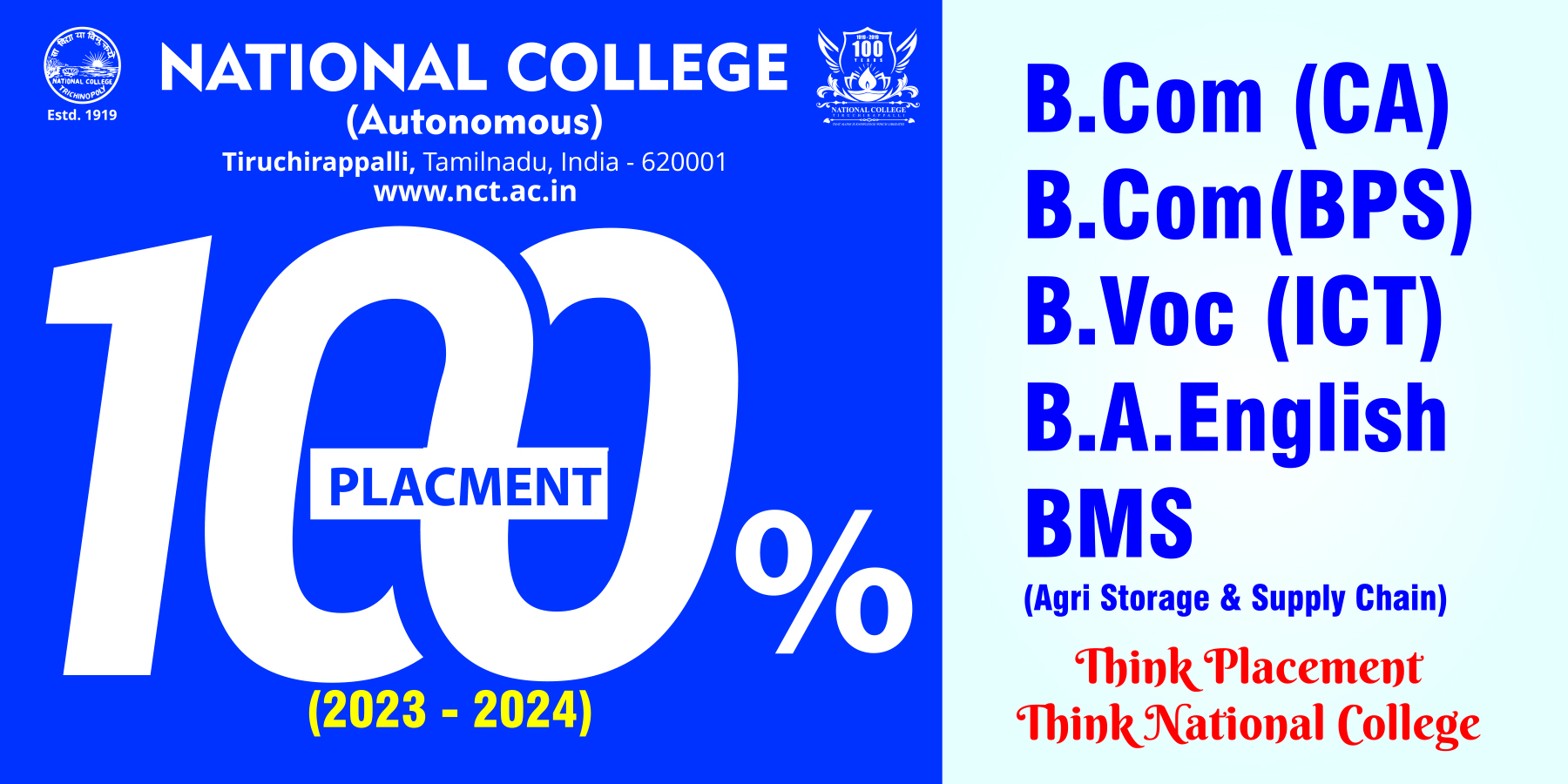
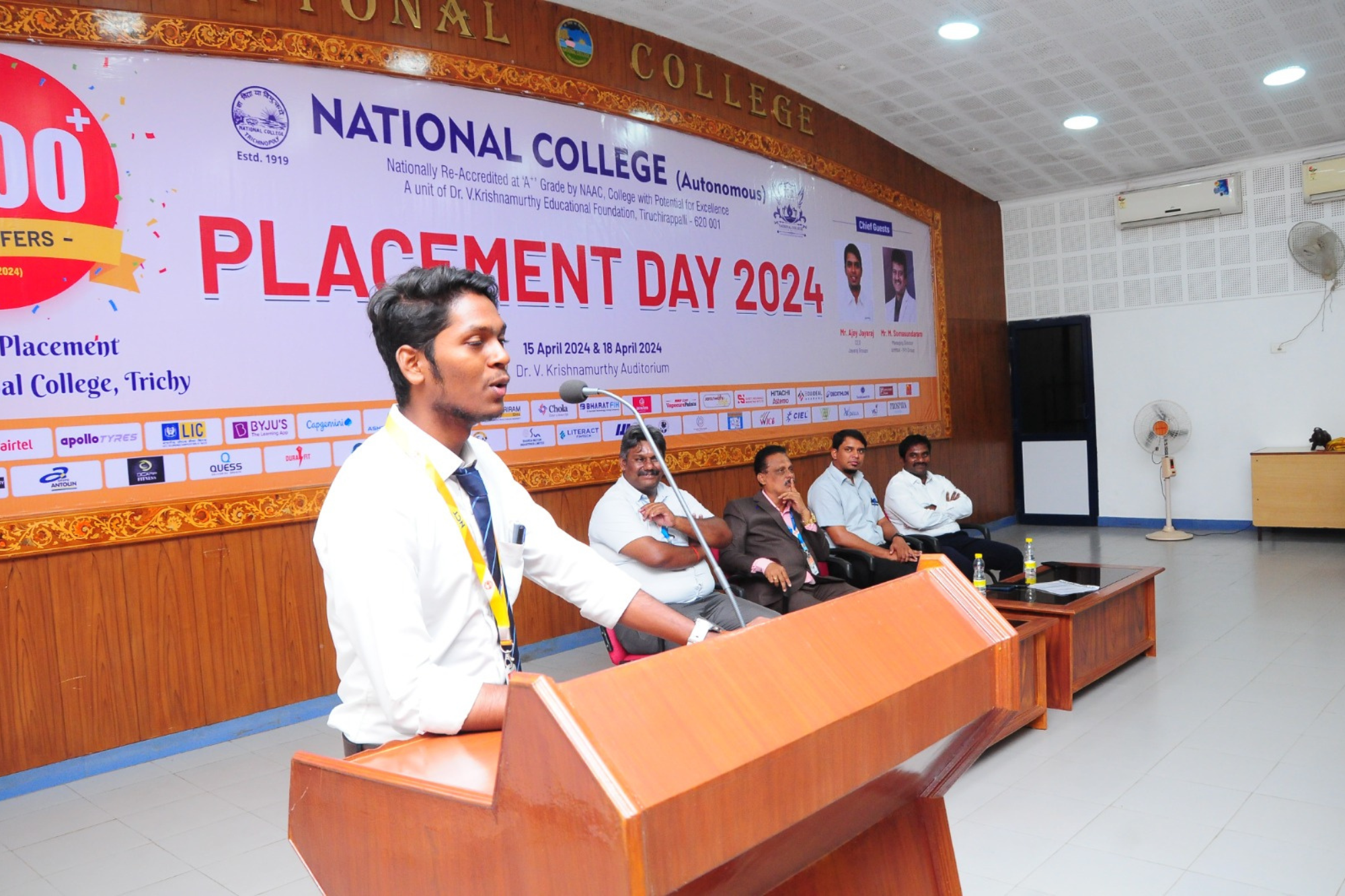
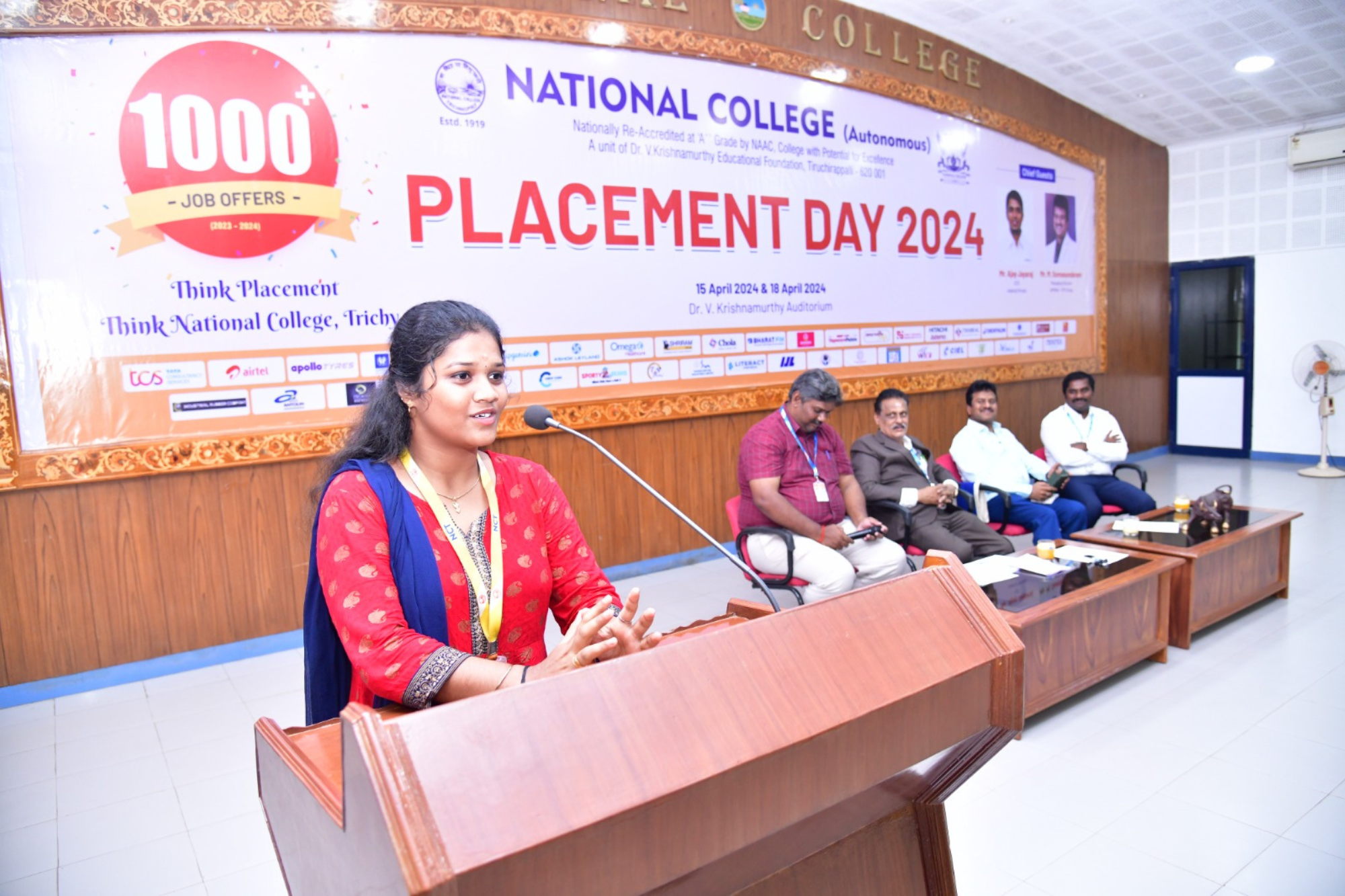
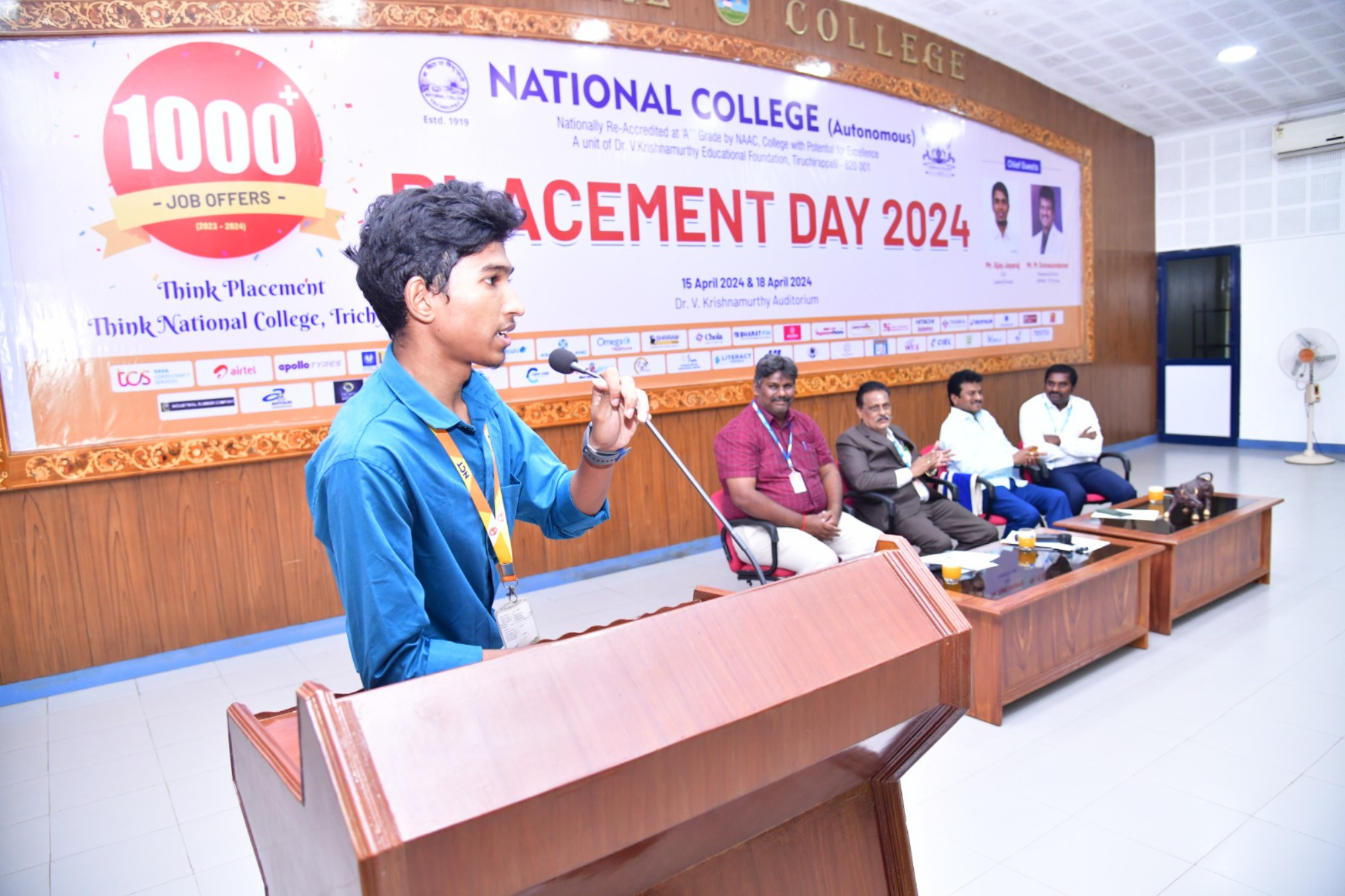
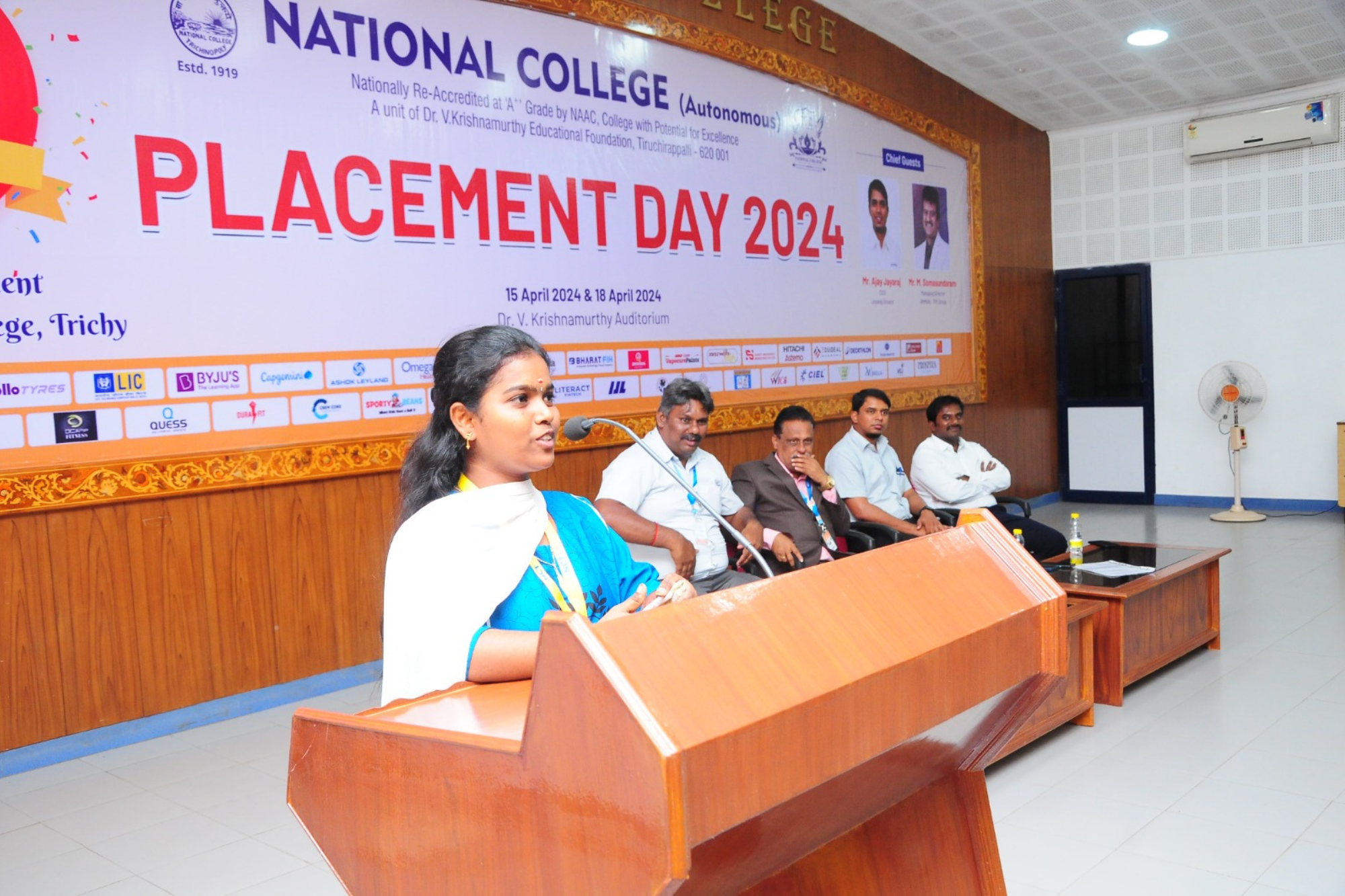
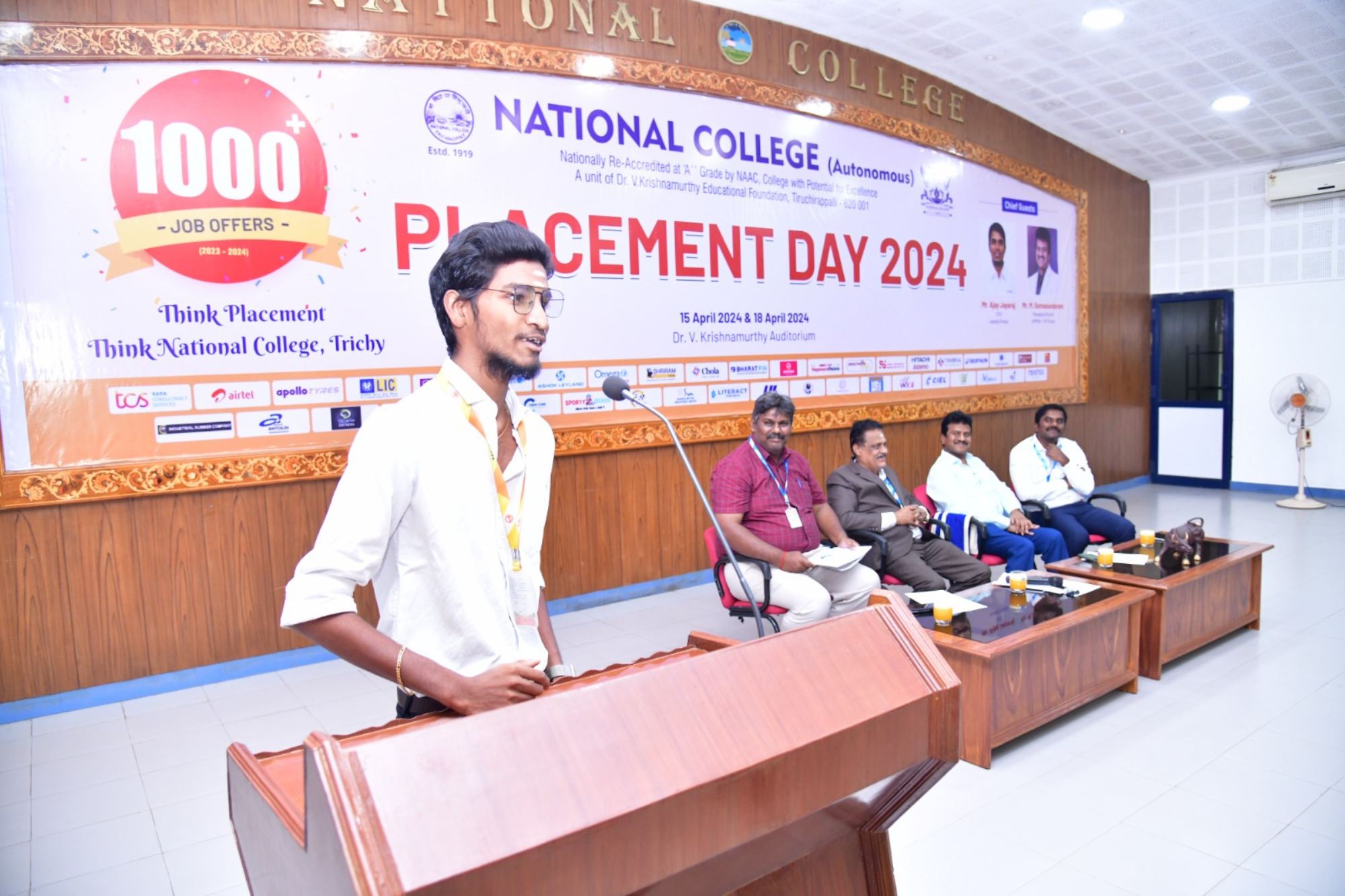
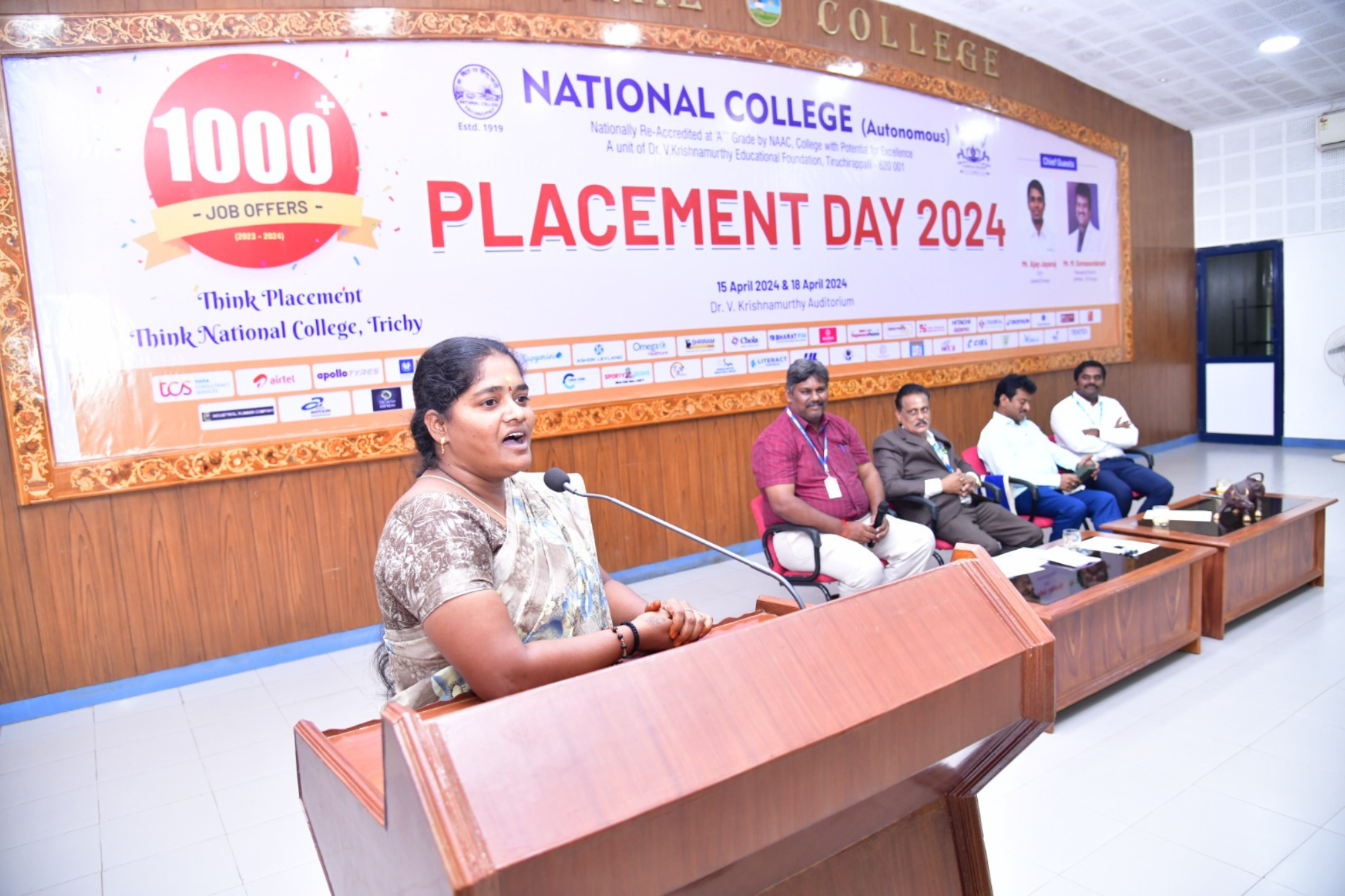
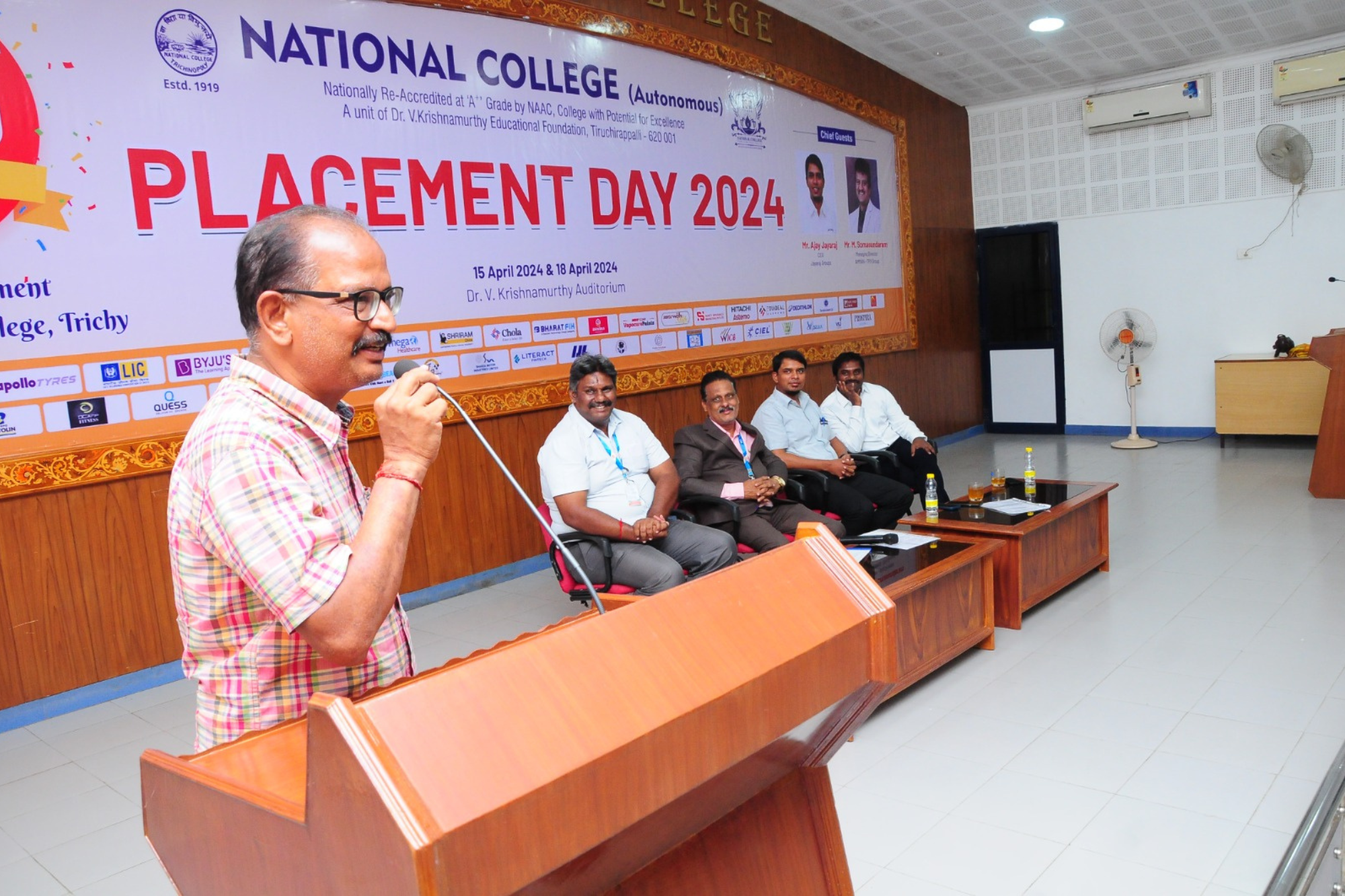
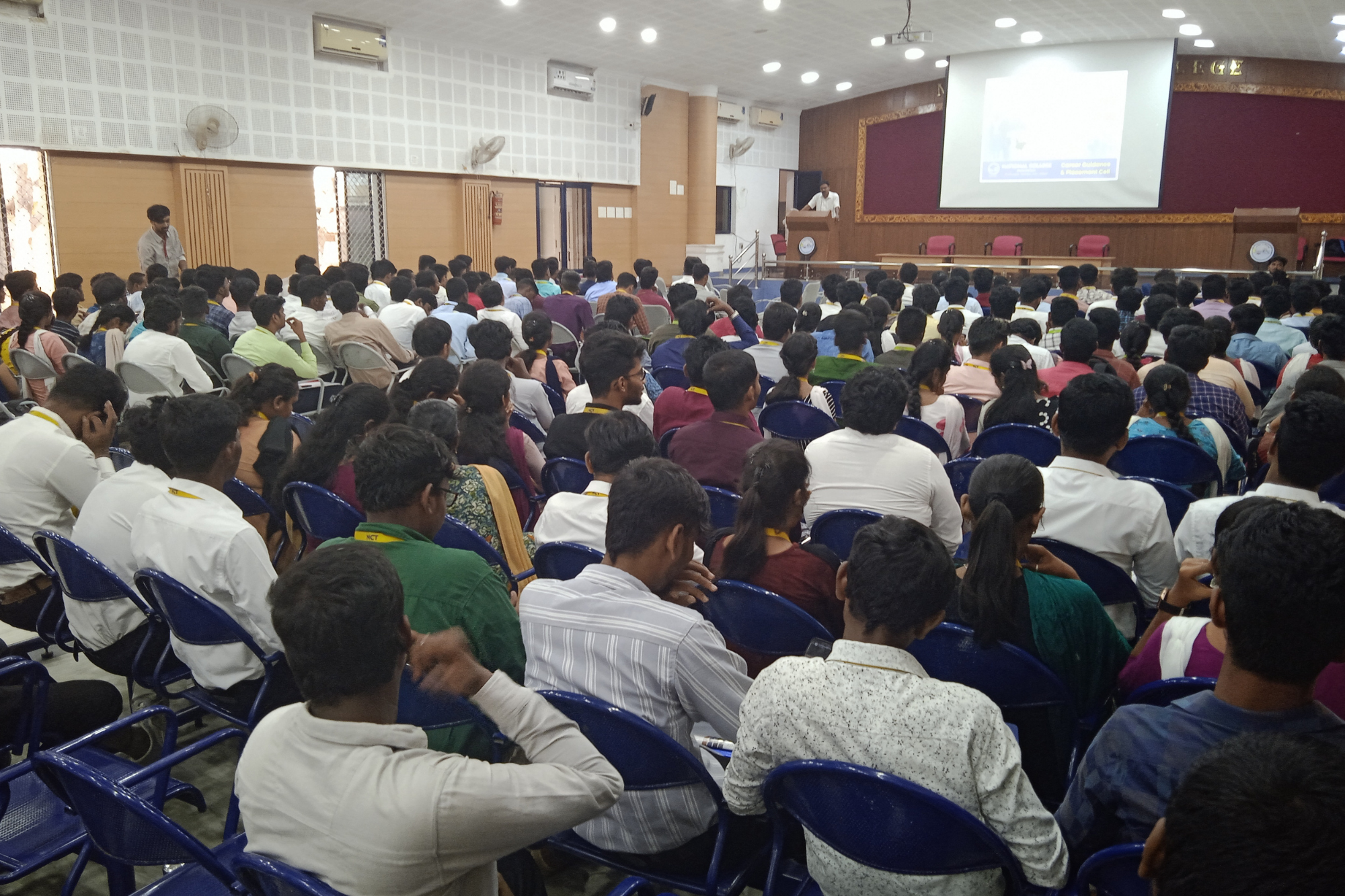
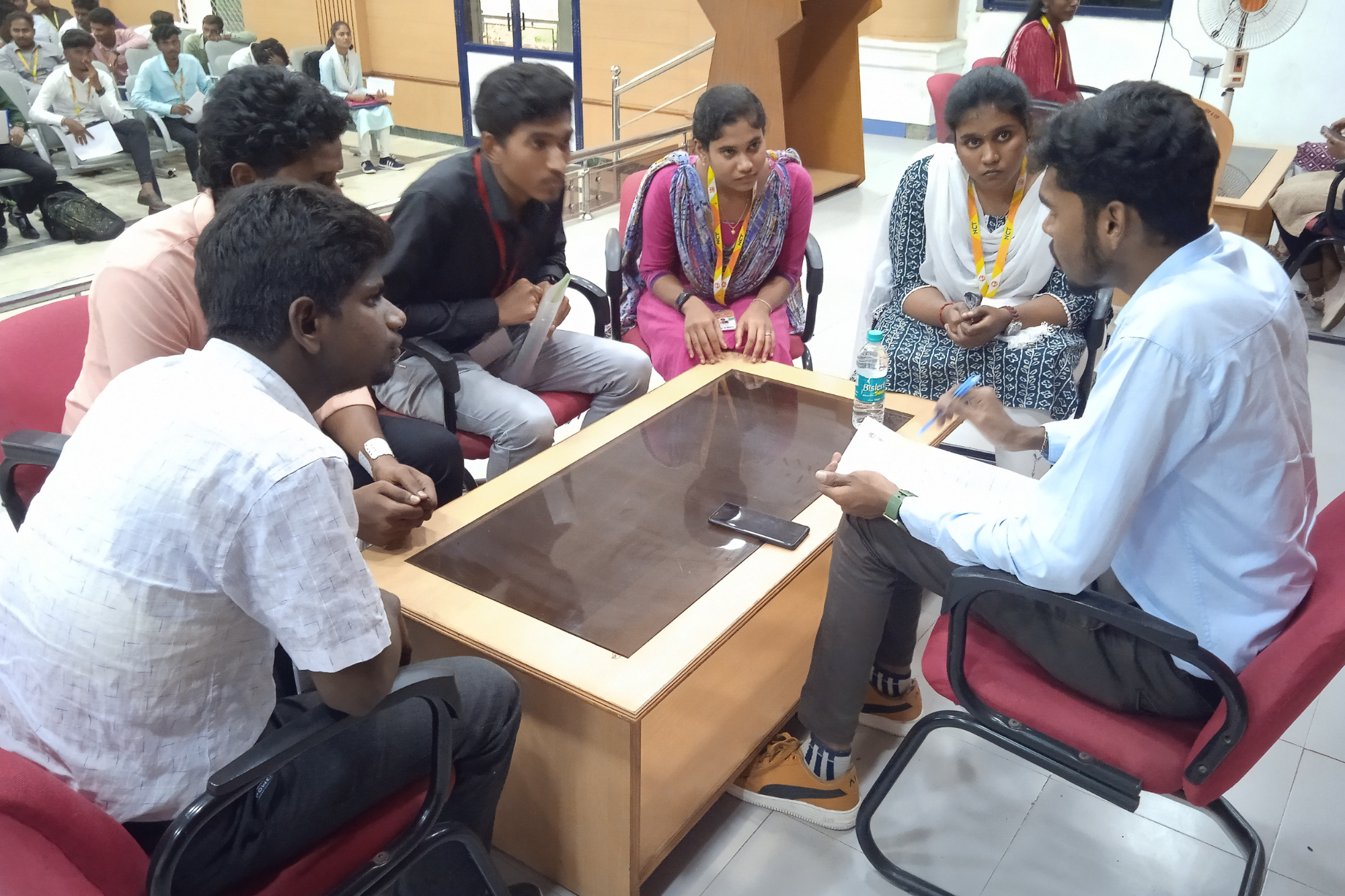
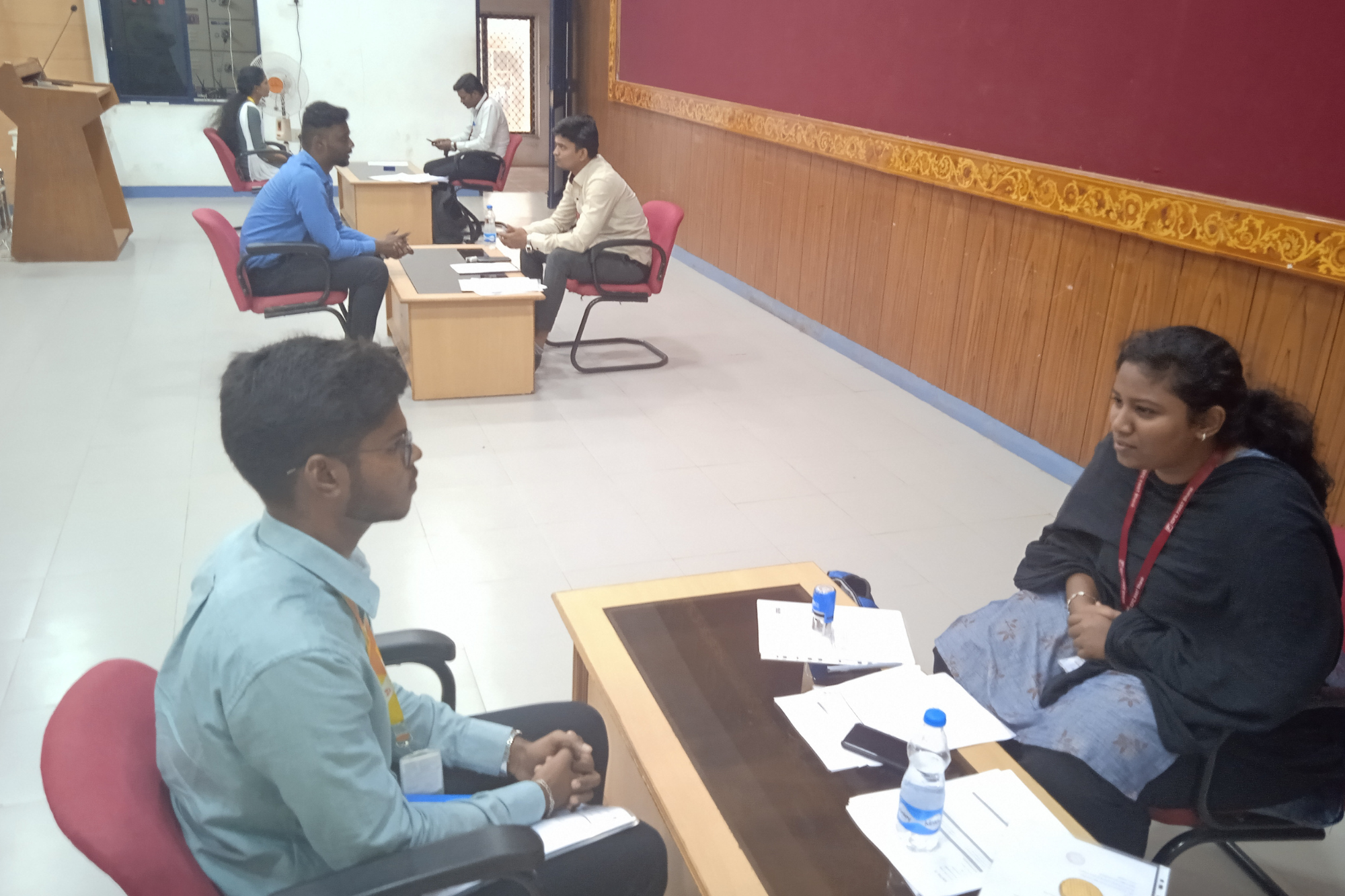
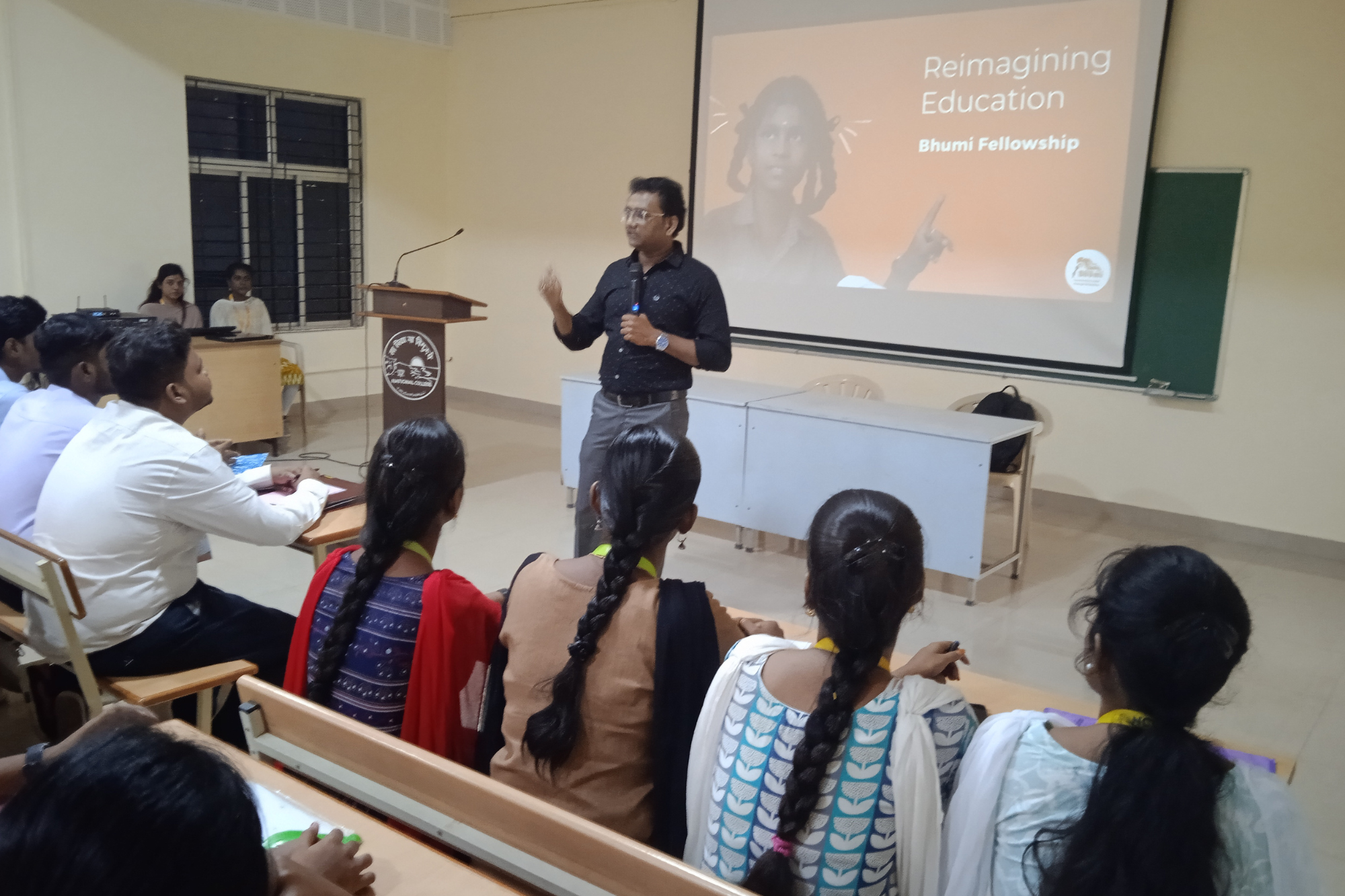
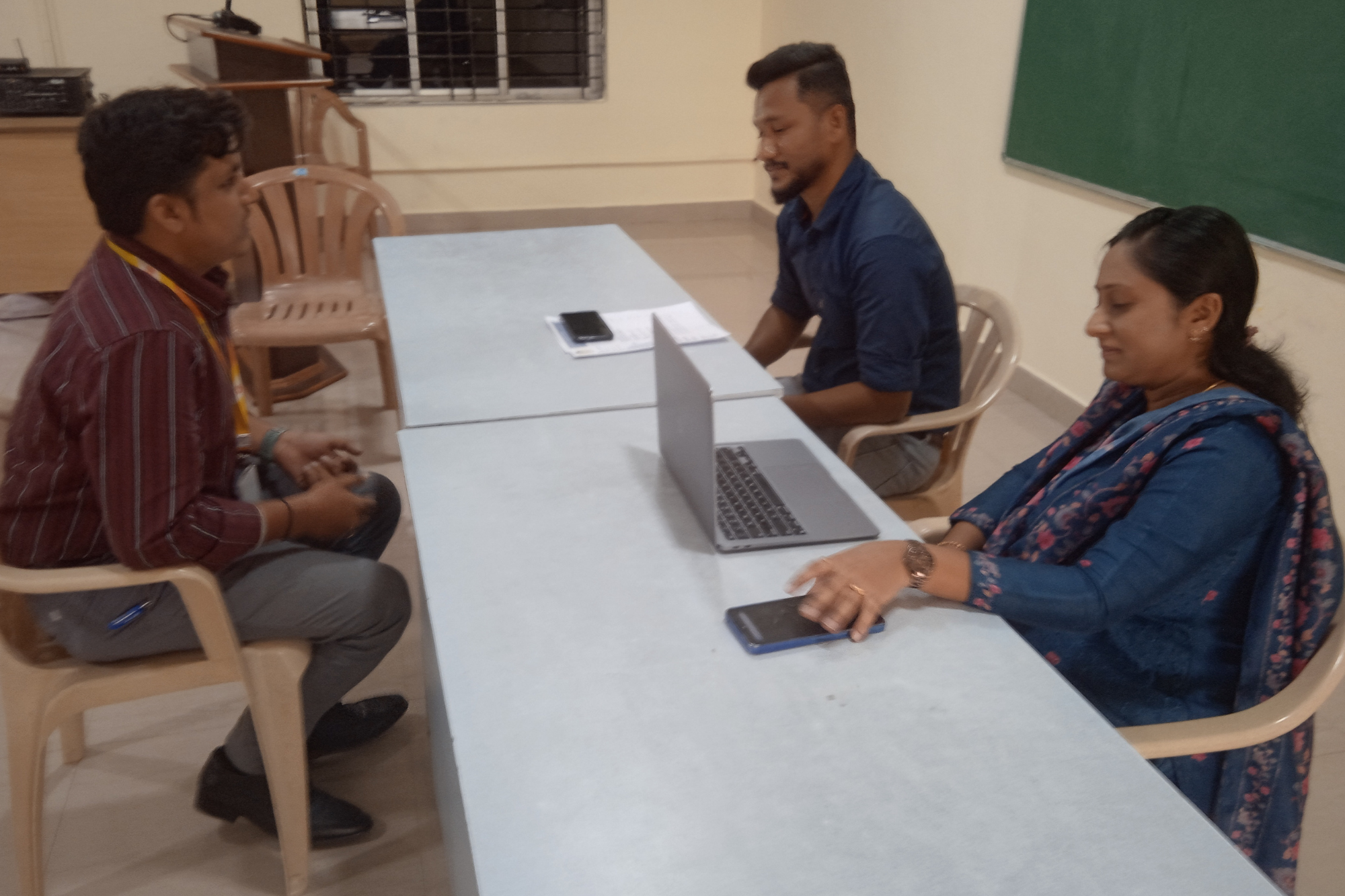
A student must possess more than just academic knowledge in order to succeed in today's dynamic and competitive world. It is necessary for them to receive guidance, support, and opportunities in order to bridge the gap between education and employment. As a bridge between academia and the professional world, the Career Guidance and Placement Cell (CGPC) plays an important role in supporting this transition for students.
A CGPC's primary goal is to provide students with the necessary skills, knowledge, and resources to make informed career choices and excel in their chosen fields. This centre provides a range of services tailored to meet the diverse needs of students and alumni within educational institutions.
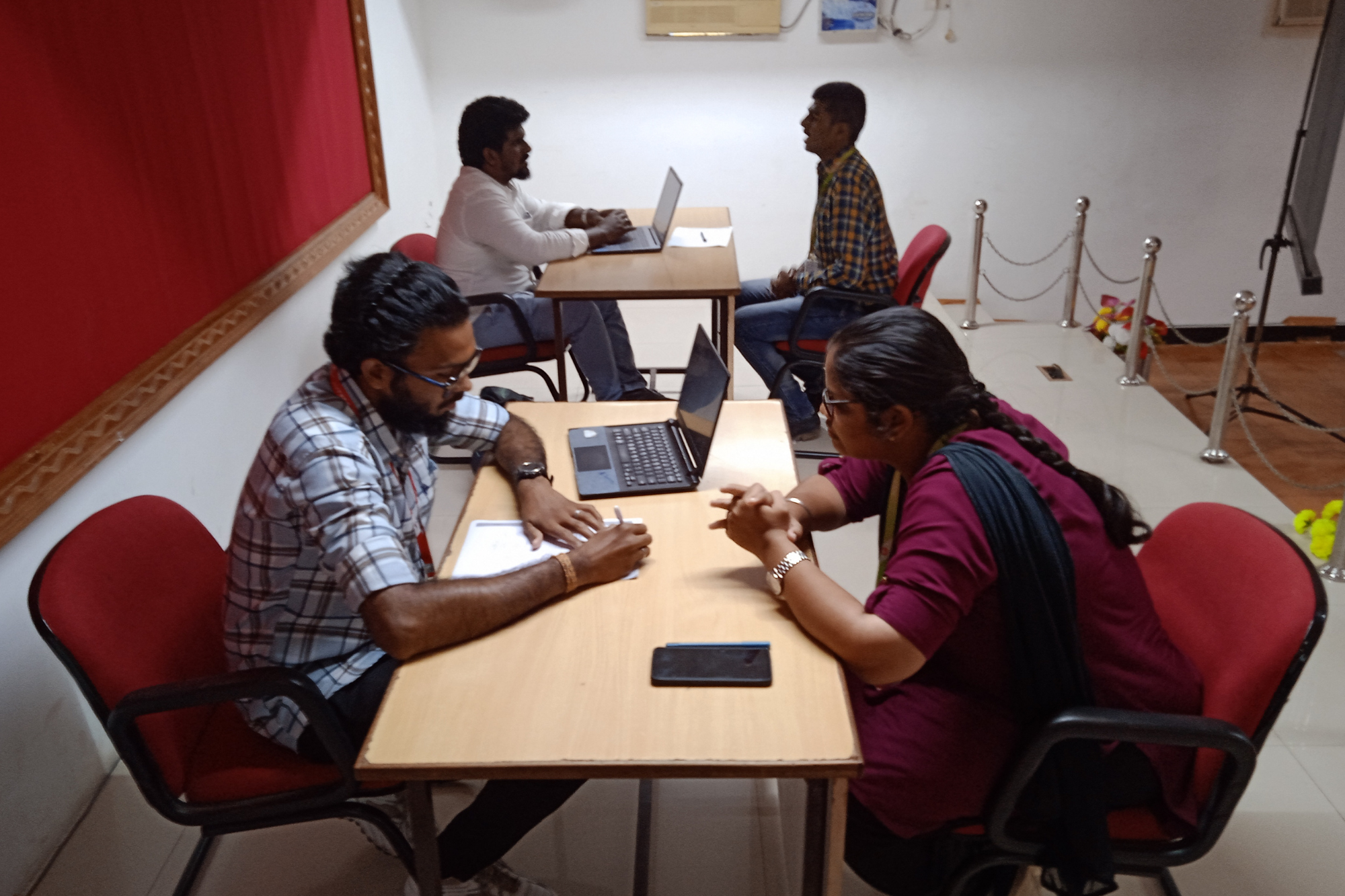
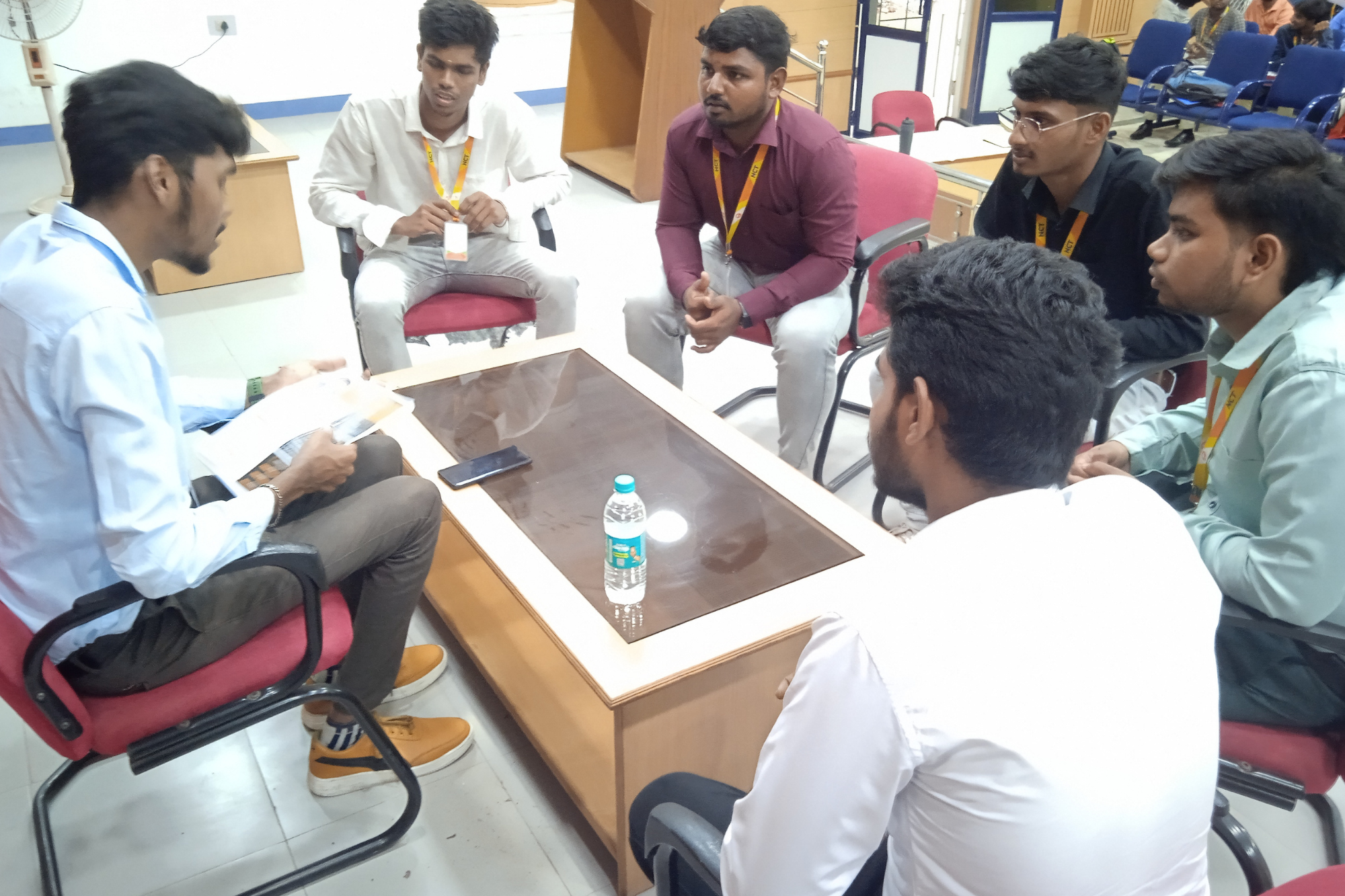
An important function of a CGPC is career counselling. Students receive personal guidance from experienced professionals while exploring various career paths, identifying their strengths and interests, and developing a clear career roadmap. Students gain valuable insight into different industries, job roles, and career trends through one-on-one sessions, workshops, seminars, and psychometric assessments.
In addition, CGPCs facilitate industry interactions and collaborations, providing students with opportunities to interact with employers, industry experts, and alumni. It organizes campus recruitment drives, job fairs, and internship programs that facilitate the connection between students and prospective employers. A CGPC ensures that students have access to a variety of employment opportunities across industries by fostering strong partnerships with corporations, start-ups, and government agencies.
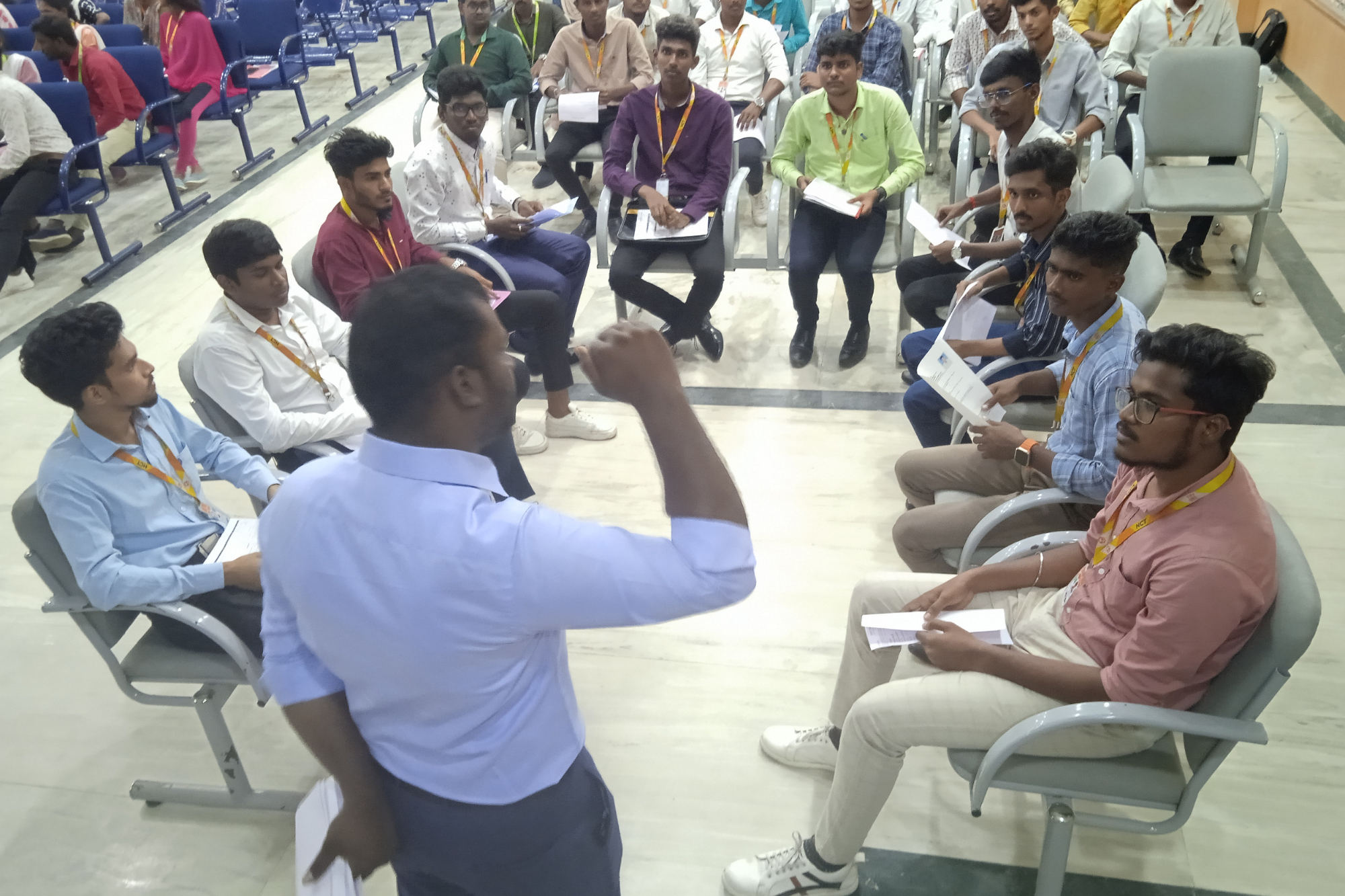
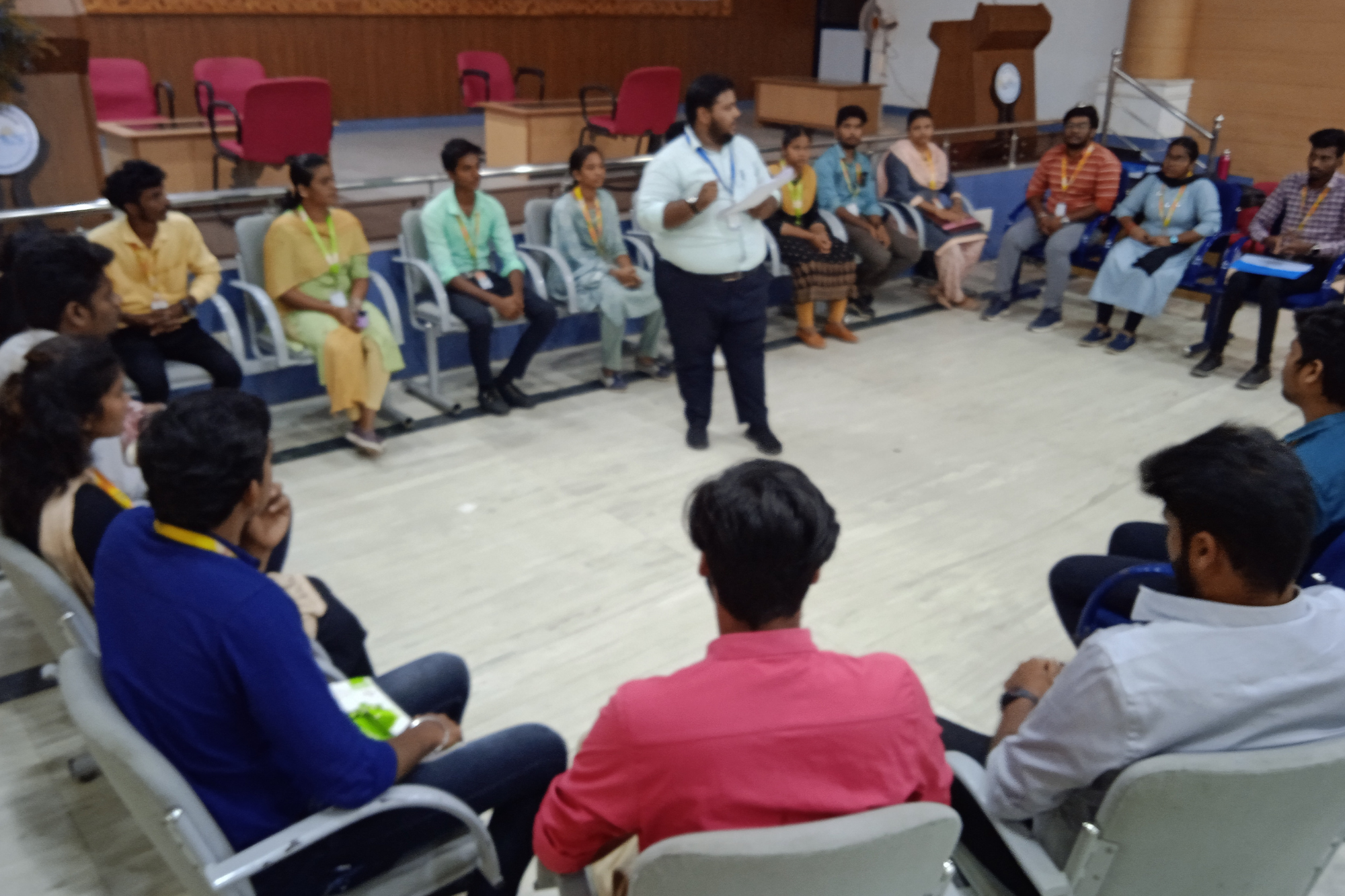
Additionally, CGPCs provide students with skill development programs and training workshops to enhance their employability. Students are provided with the skills necessary to succeed in the job market by these initiatives, including resume writing, interview preparation, communication skills, and personal development. As a result, they are more competitive and capable professionals.
It serves as a guiding light for students as they navigate the complexities of the professional world with confidence and competence. In addition to providing comprehensive support for students and fostering industry connections, the centre plays a significant role in shaping successful careers and enhancing the overall reputation and growth of educational institutions.
The CGPC provides comprehensive information on a variety of higher education options available to students. This includes universities, colleges, courses and programs available domestically and internationally.
CGPC provides students with guidance on the entire admissions process to higher education, including application procedures, deadlines, documents required, and standardized tests (such as the CAT, XAT, SNAP, NMAT, CMAT, IIFT, MAT, CET, and IBSAT). They help prepare application materials, including essays, resumes, and recommendation letters.
CGPC provides students with information about financial aid options, scholarships, grants, and student loan programs available to them. To make higher education more affordable, they assist students in researching and applying for financial aid.
CGPC helps students develop portfolios to apply for art, design, and other schools.
For students preparing for standardized tests required for admission to higher education institutions, CGPC may provide test preparation resources, workshops, or referrals to external test preparation services.
CGPC provides guidance and practice for admission interviews, including tips on how to present oneself effectively, answer common interview questions, and highlight relevant qualifications and experience.
CGPC offers information about international universities, admission requirements, visa procedures, language proficiency tests (such as TOEFL and IELTS), cultural adjustment, as well as support services available for international students.
Students contemplating postgraduate studies (Master's, doctoral, or professional degrees) can receive guidance from CGPC on program selection, research opportunities, faculty mentors, and application strategies tailored to their individual academic and professional objectives.

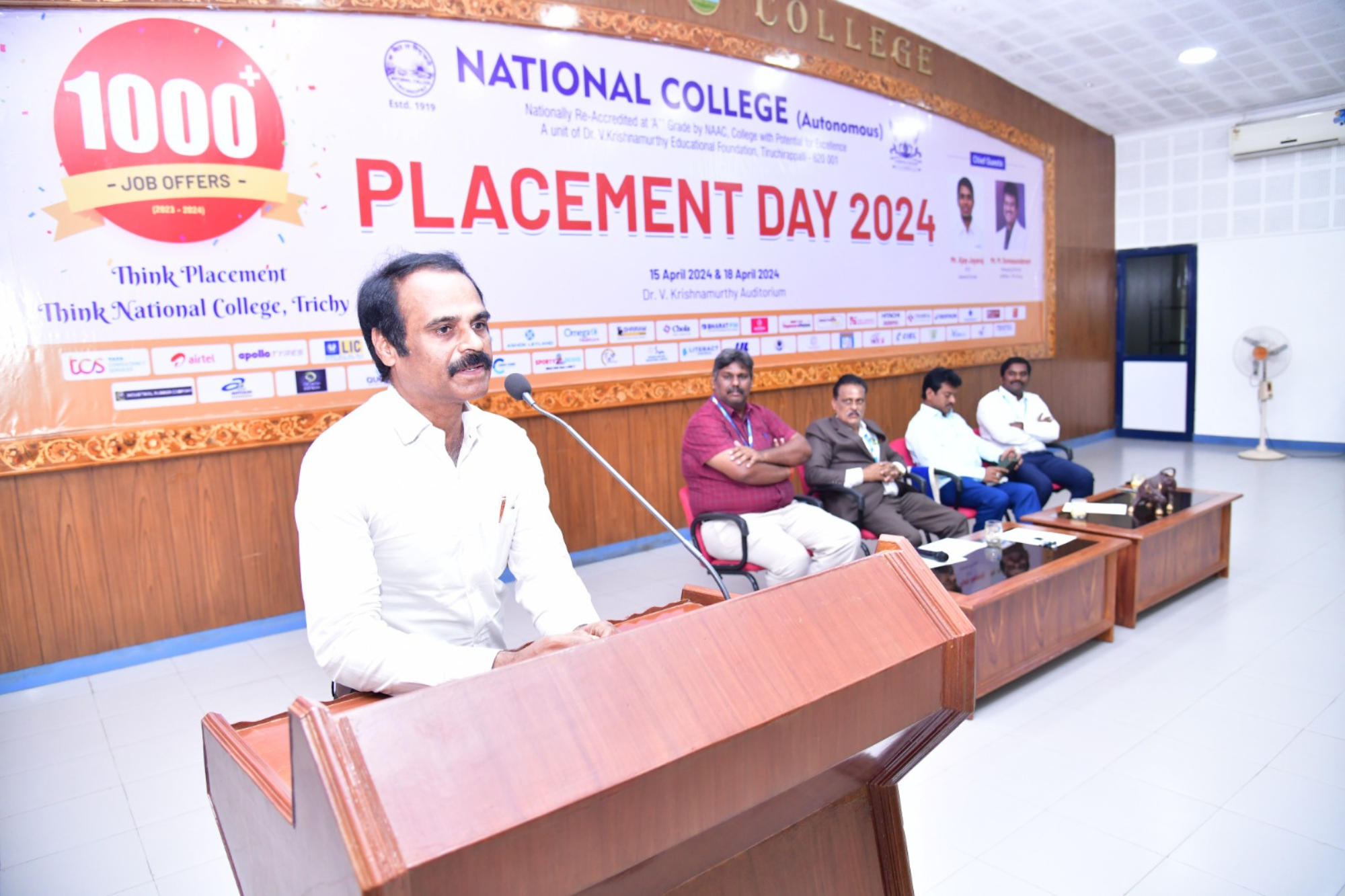
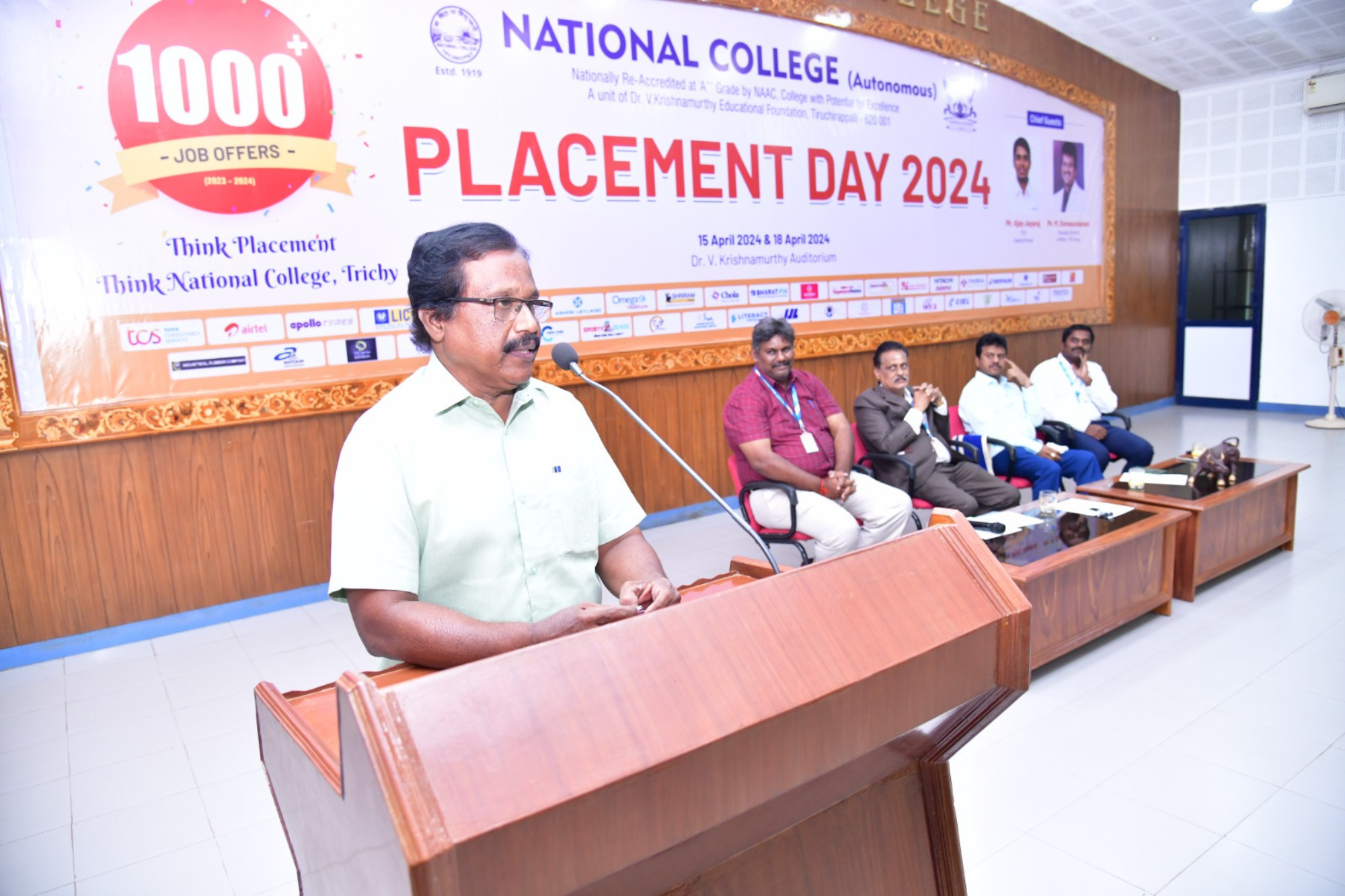
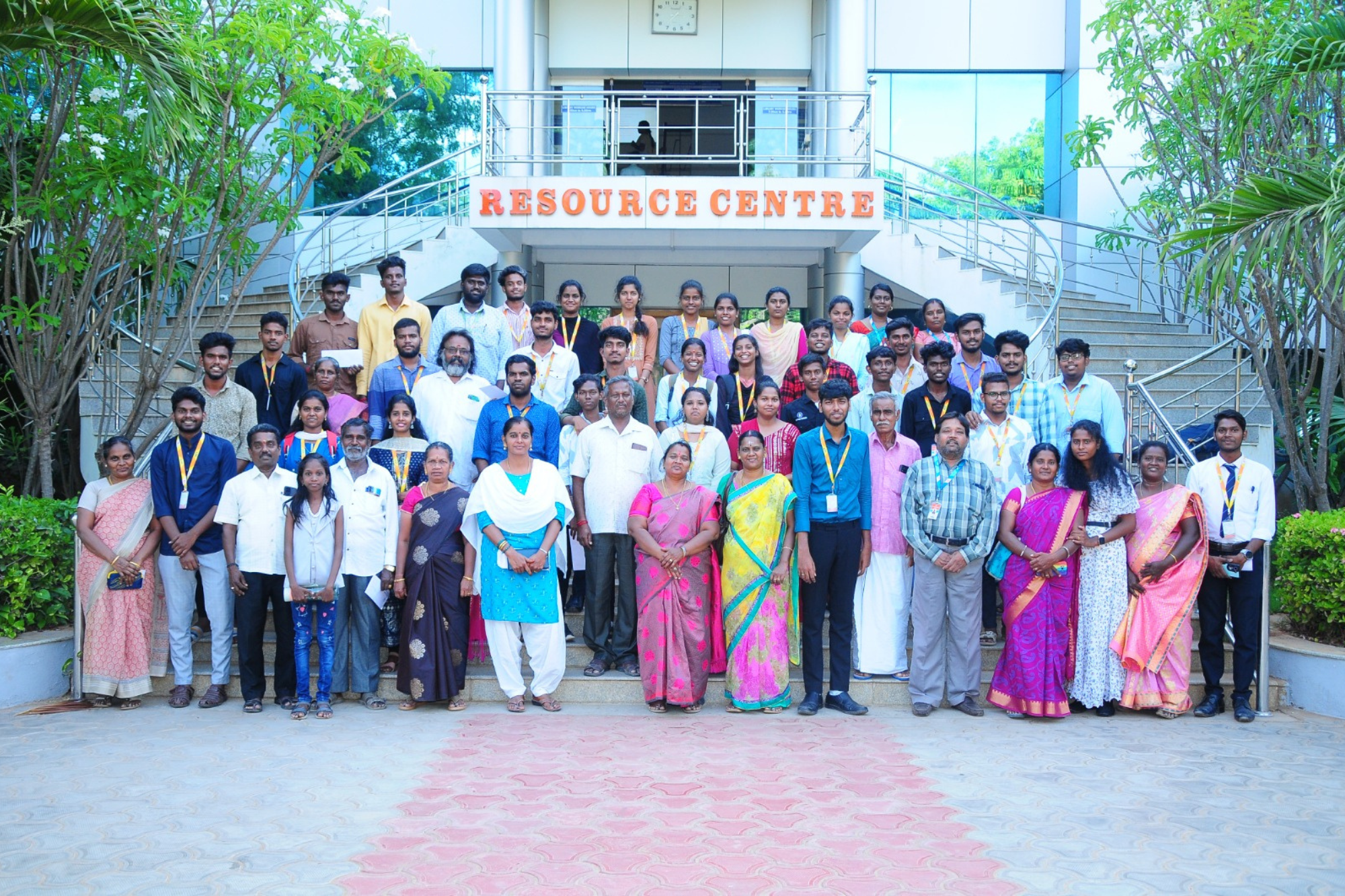
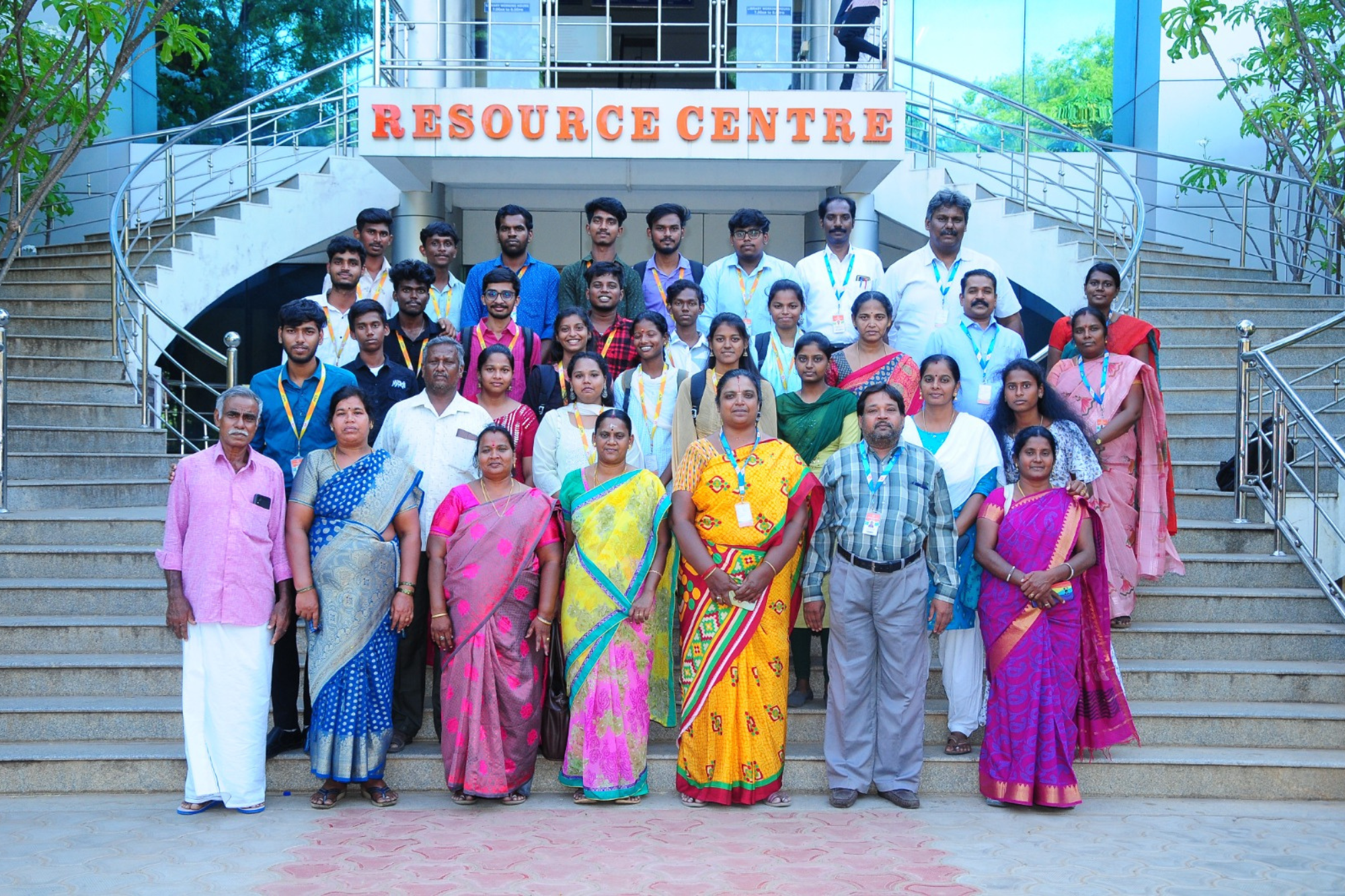
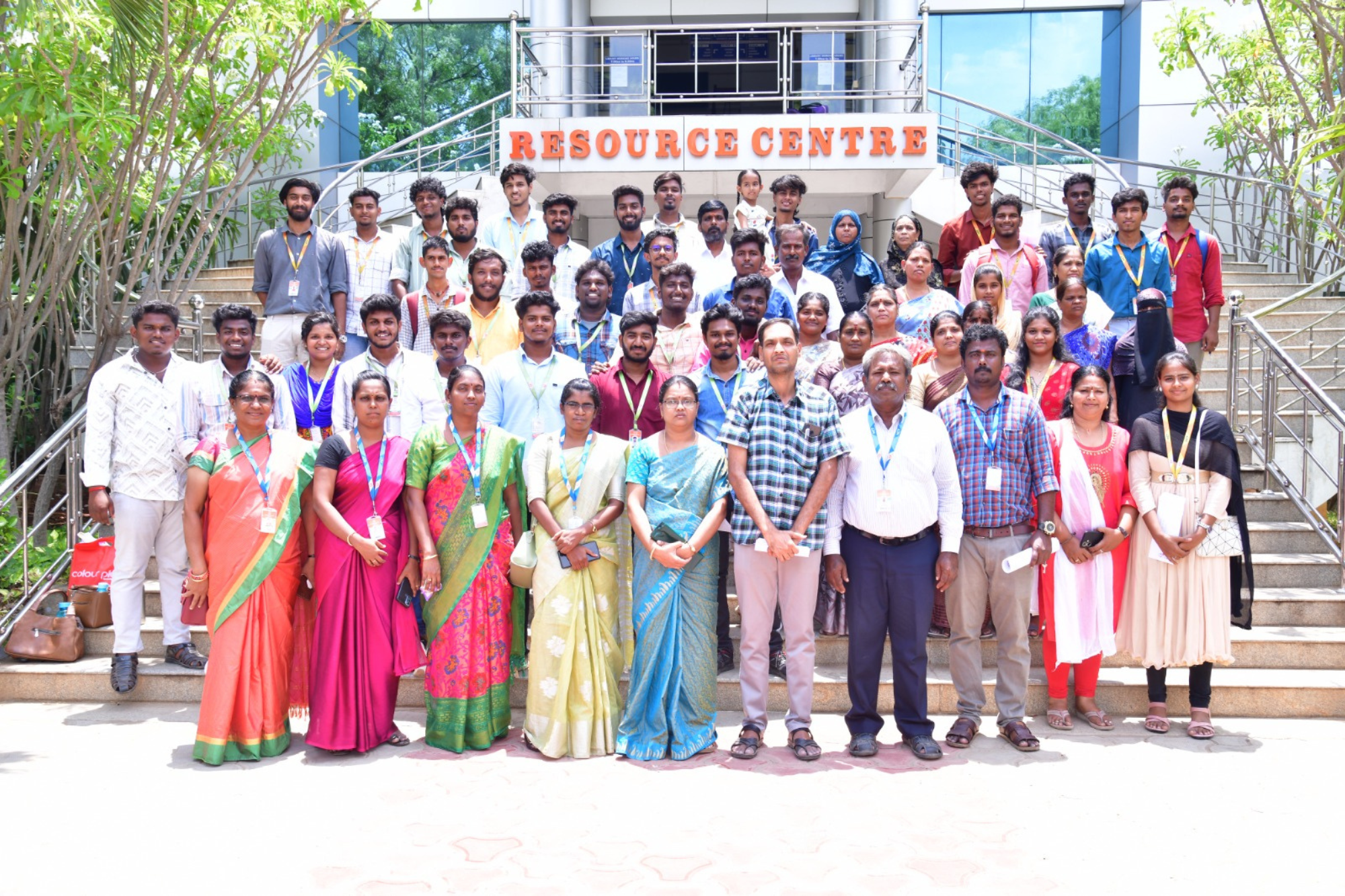
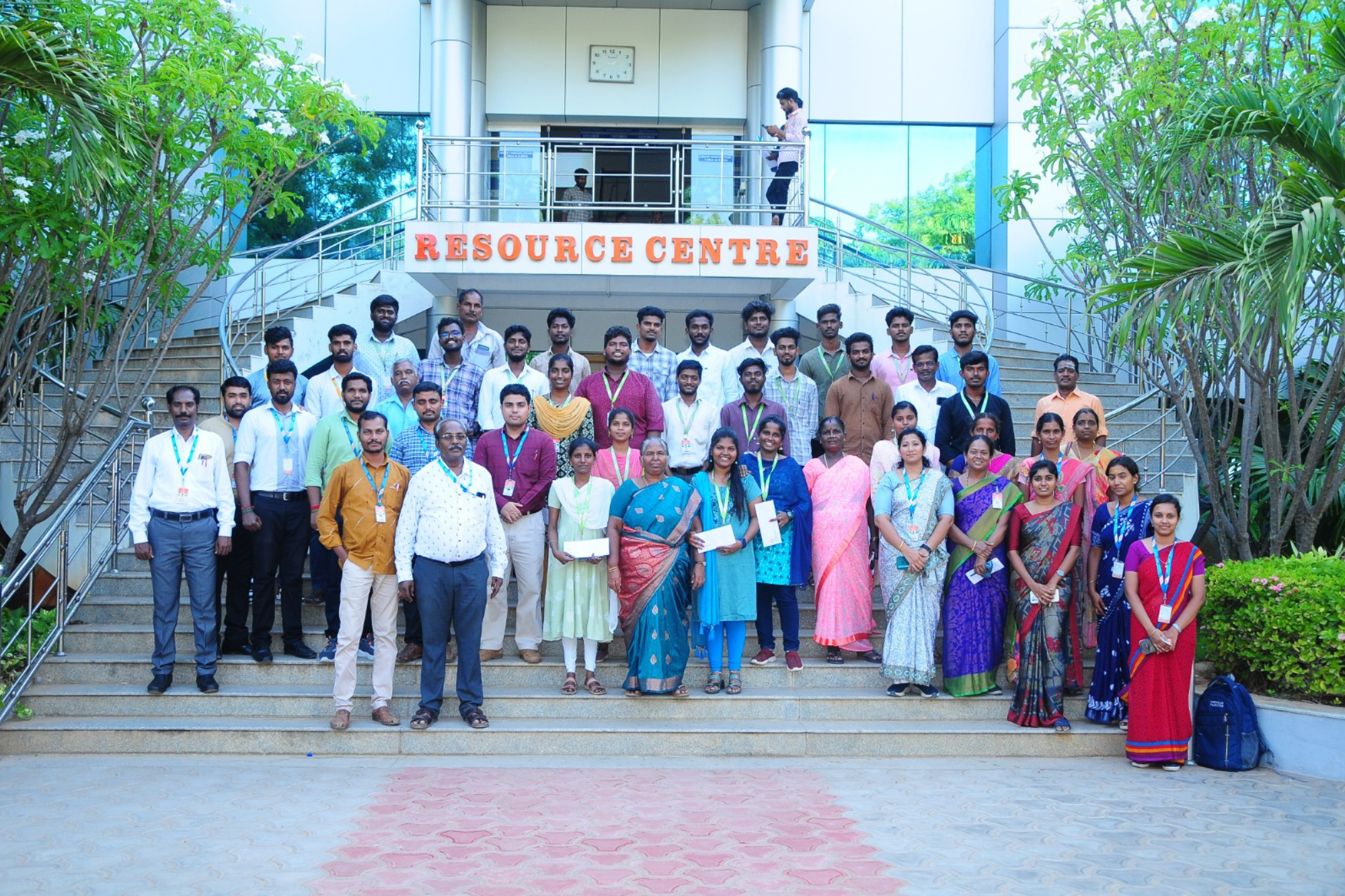
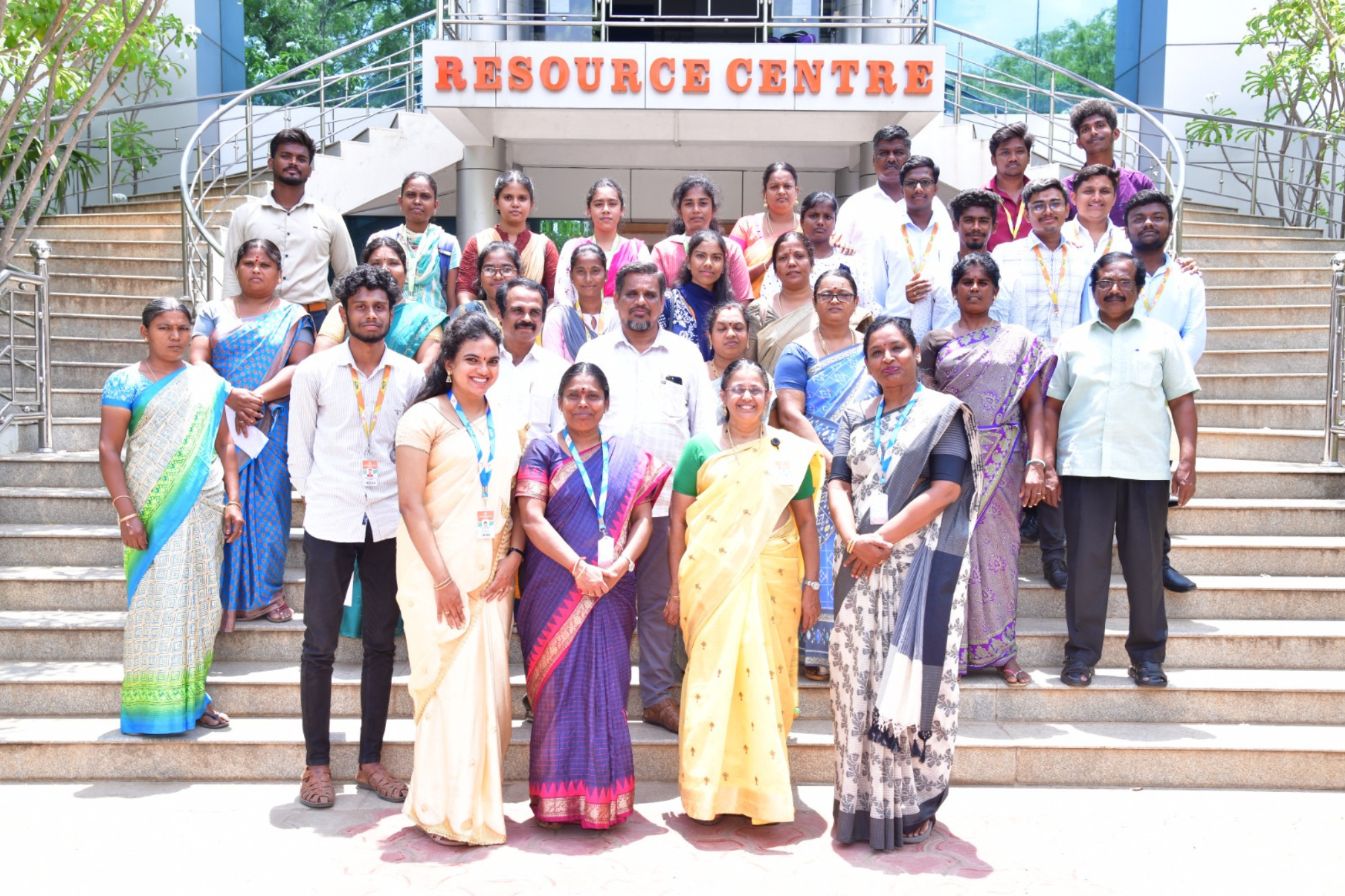
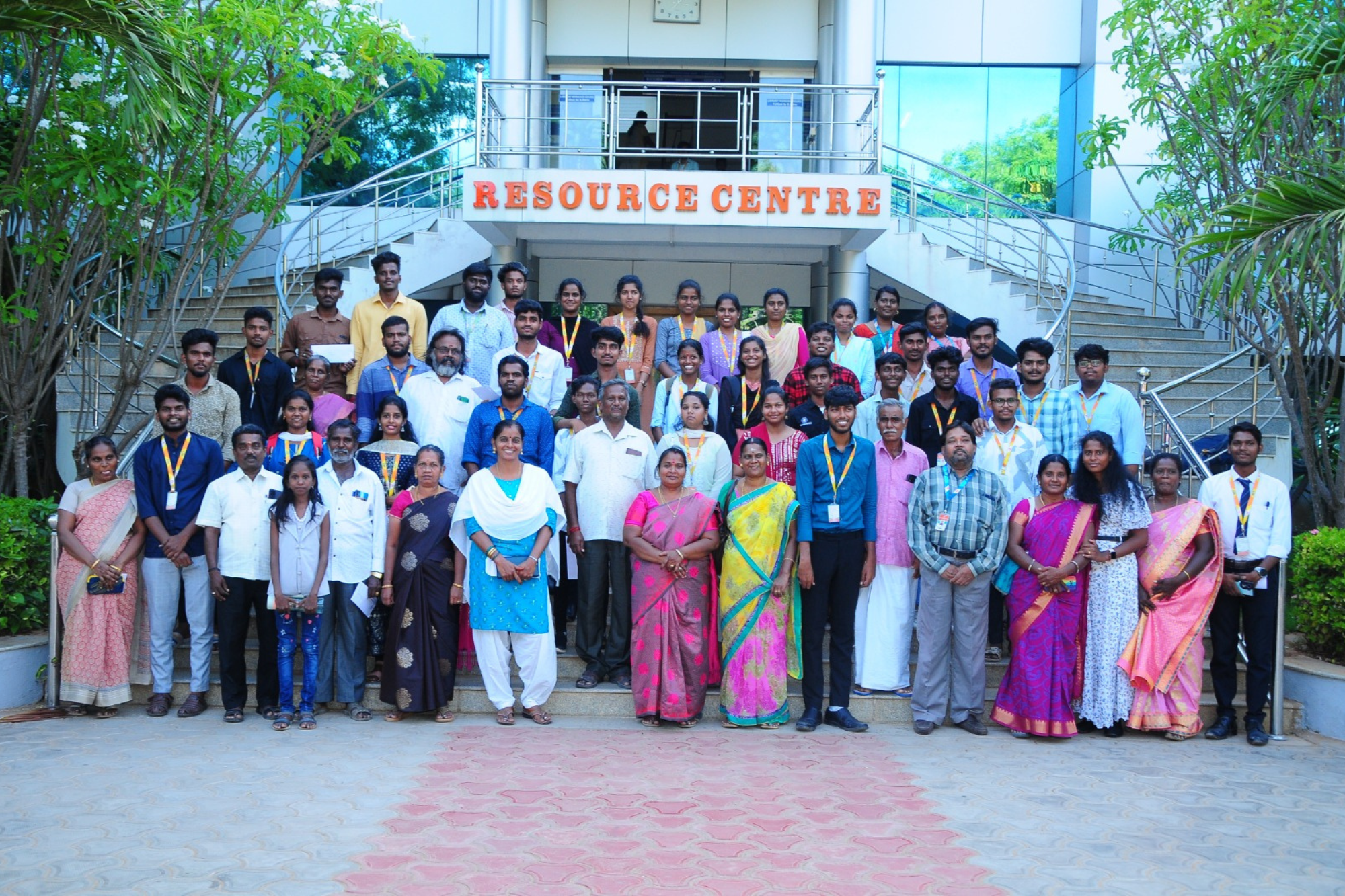
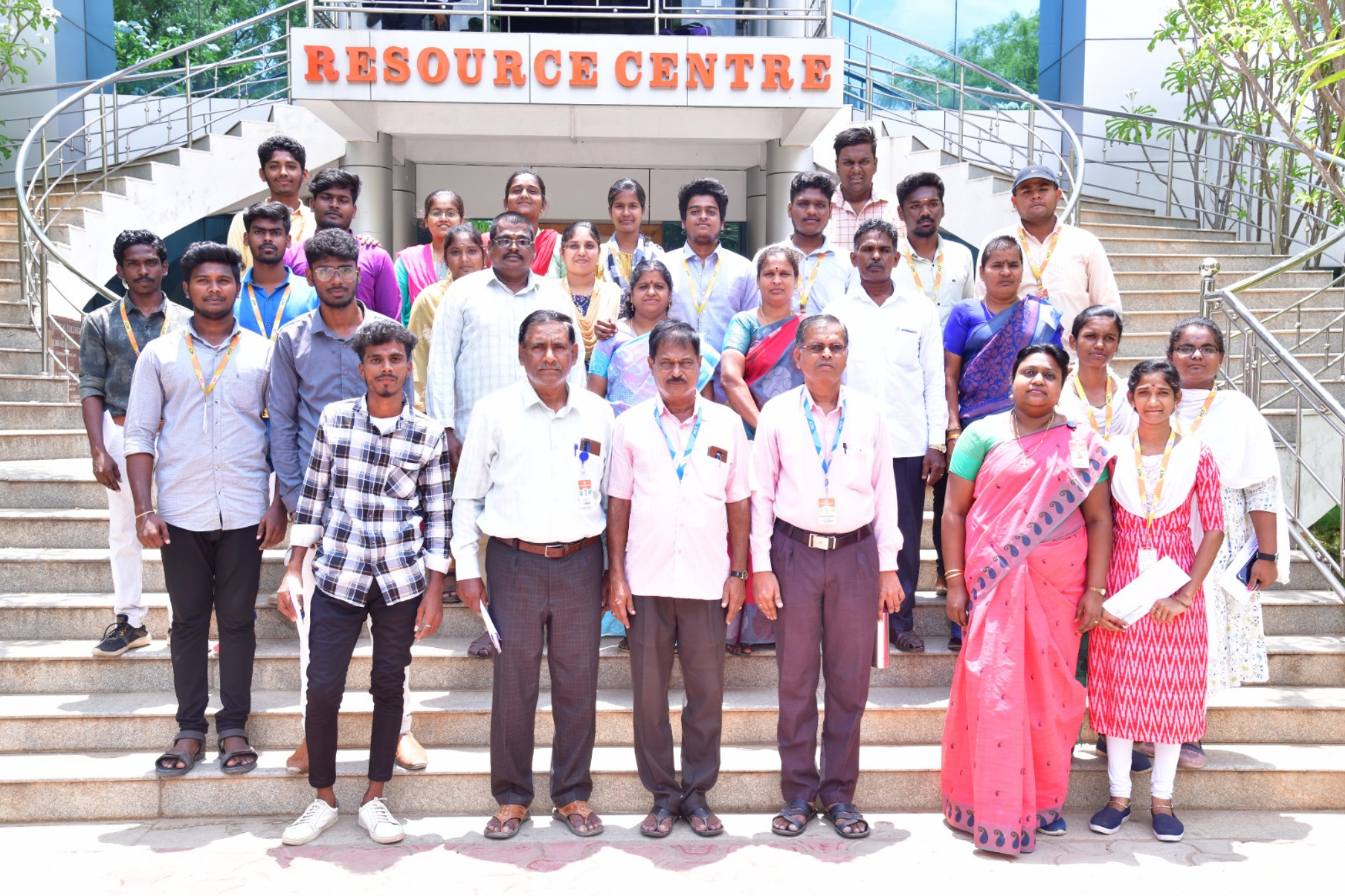
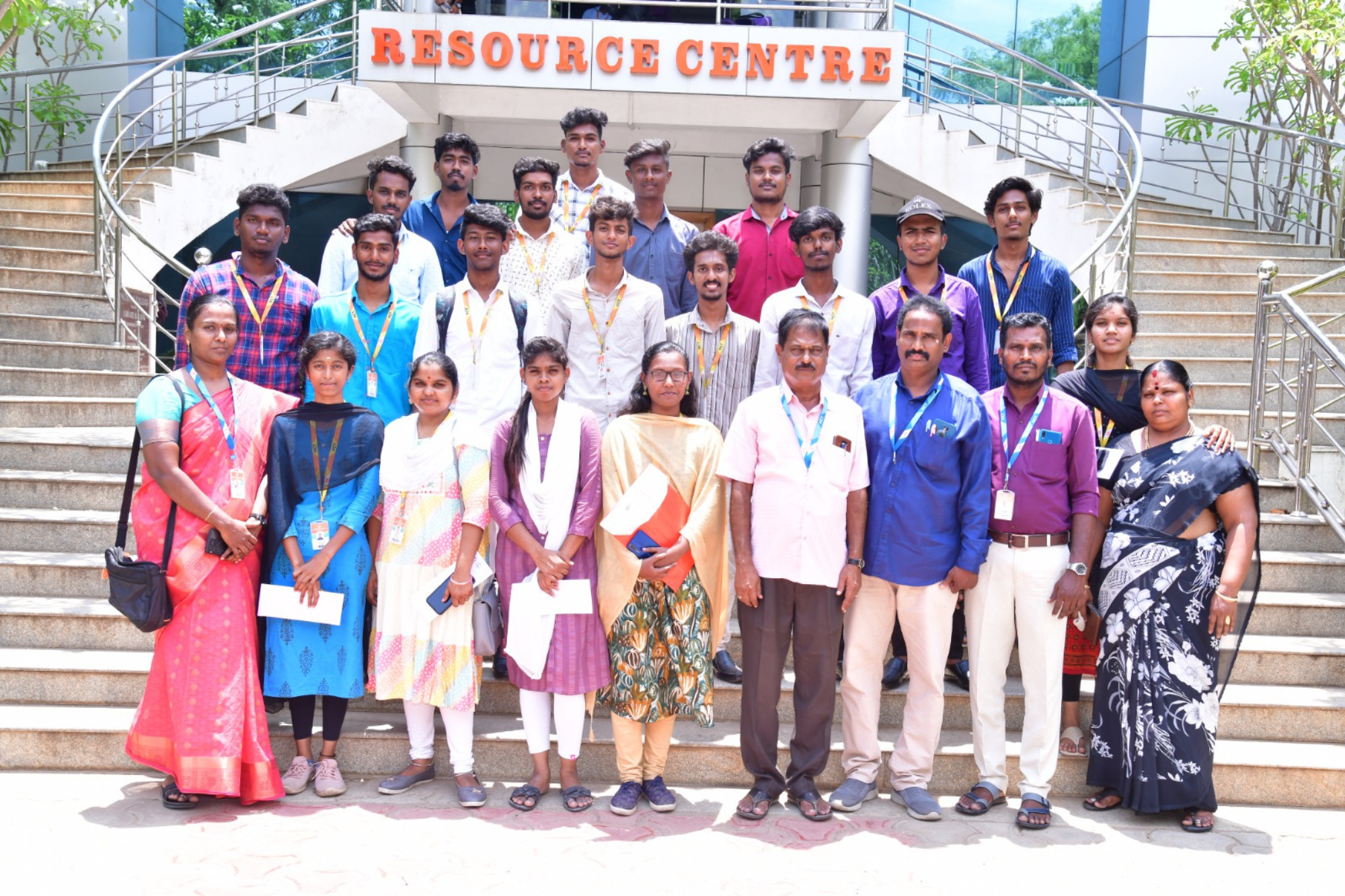
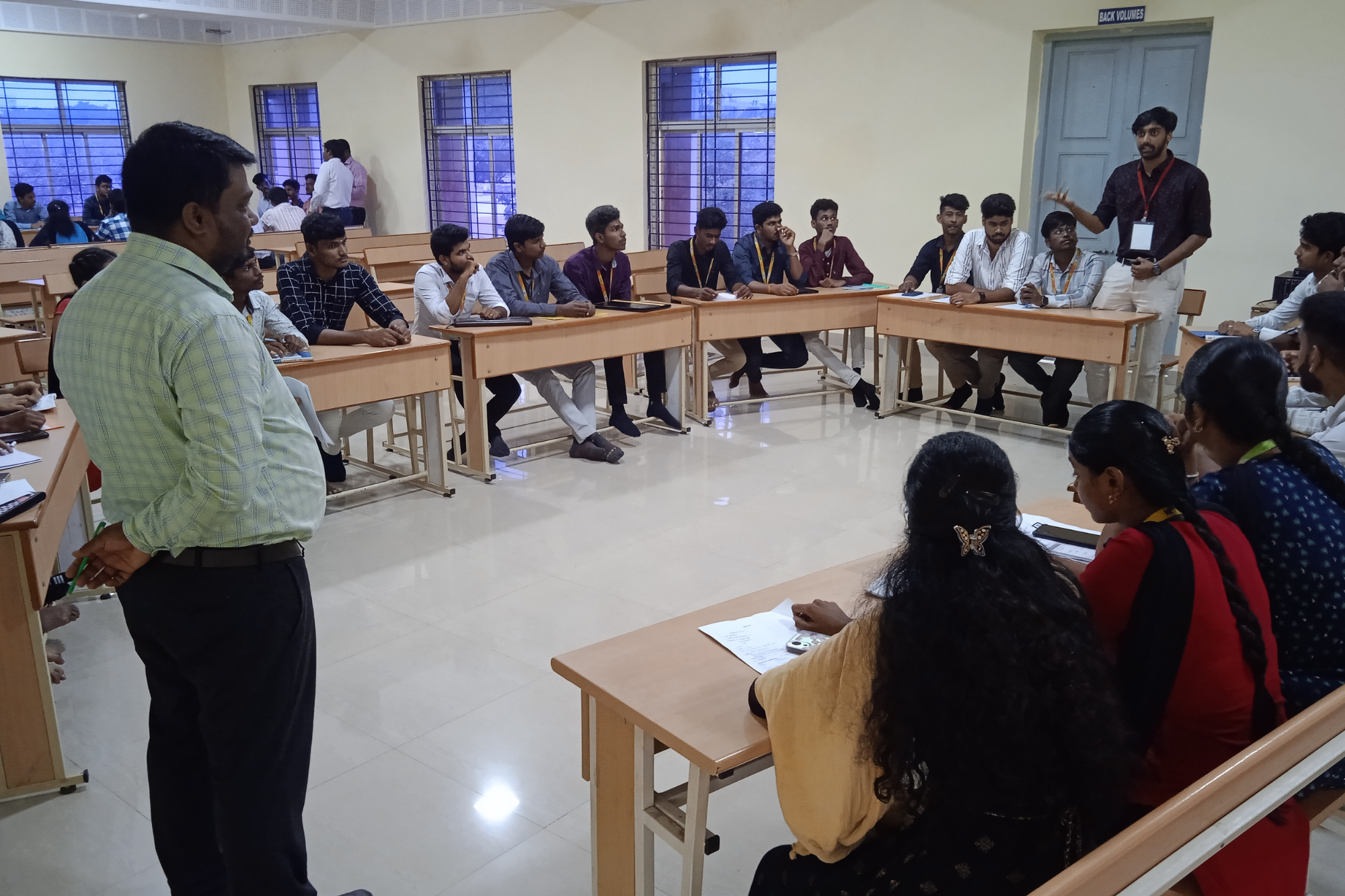
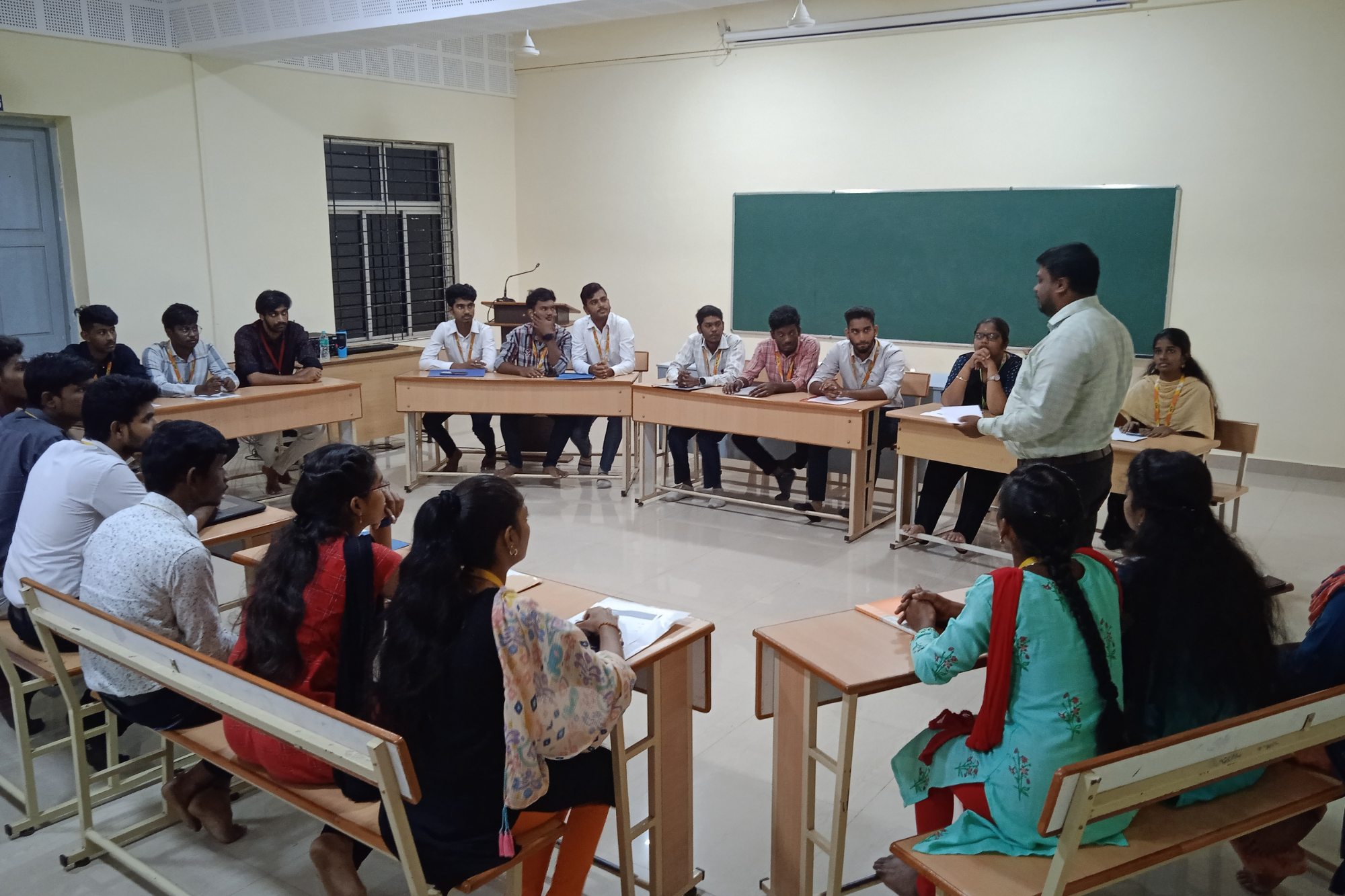
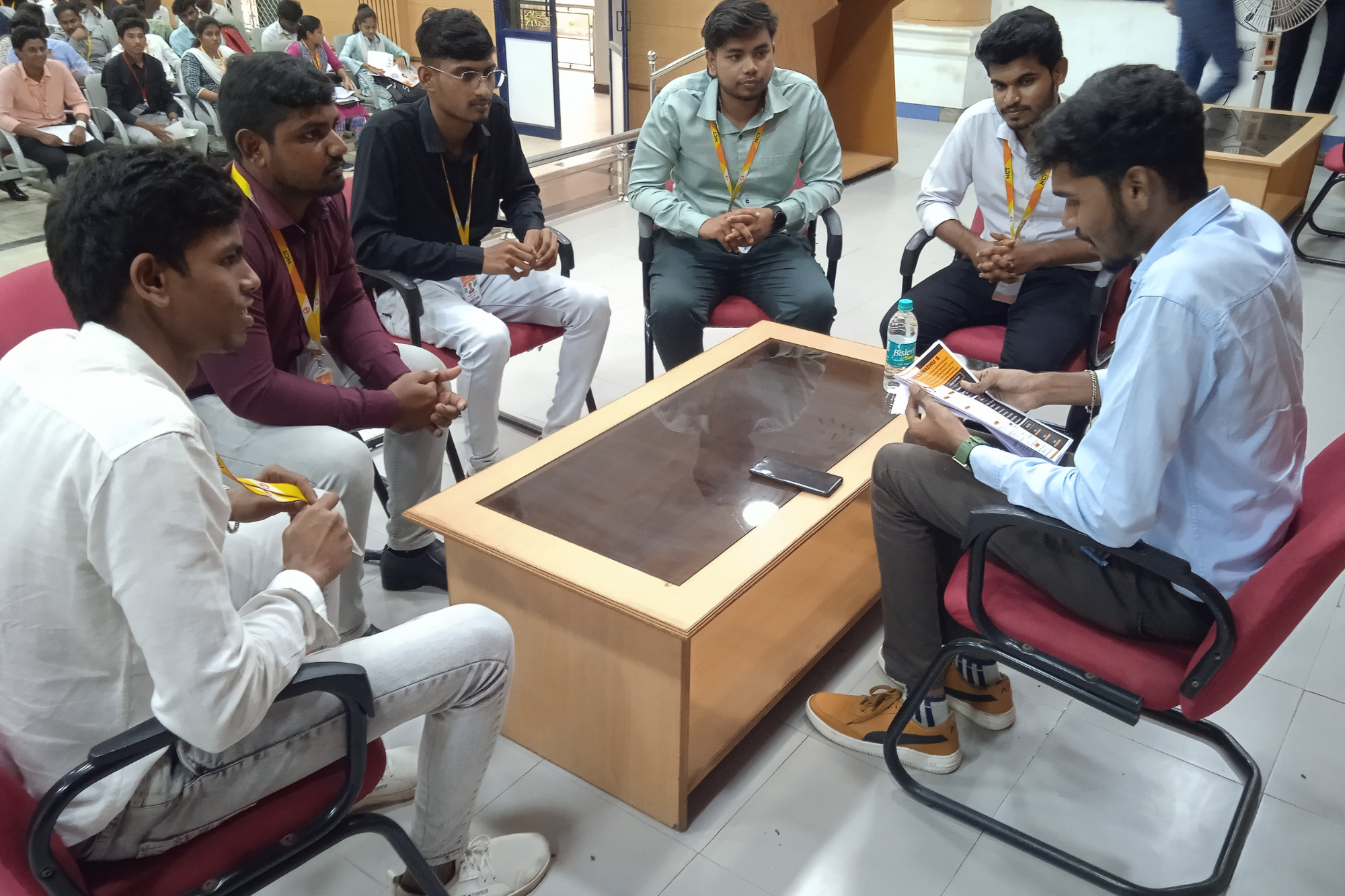
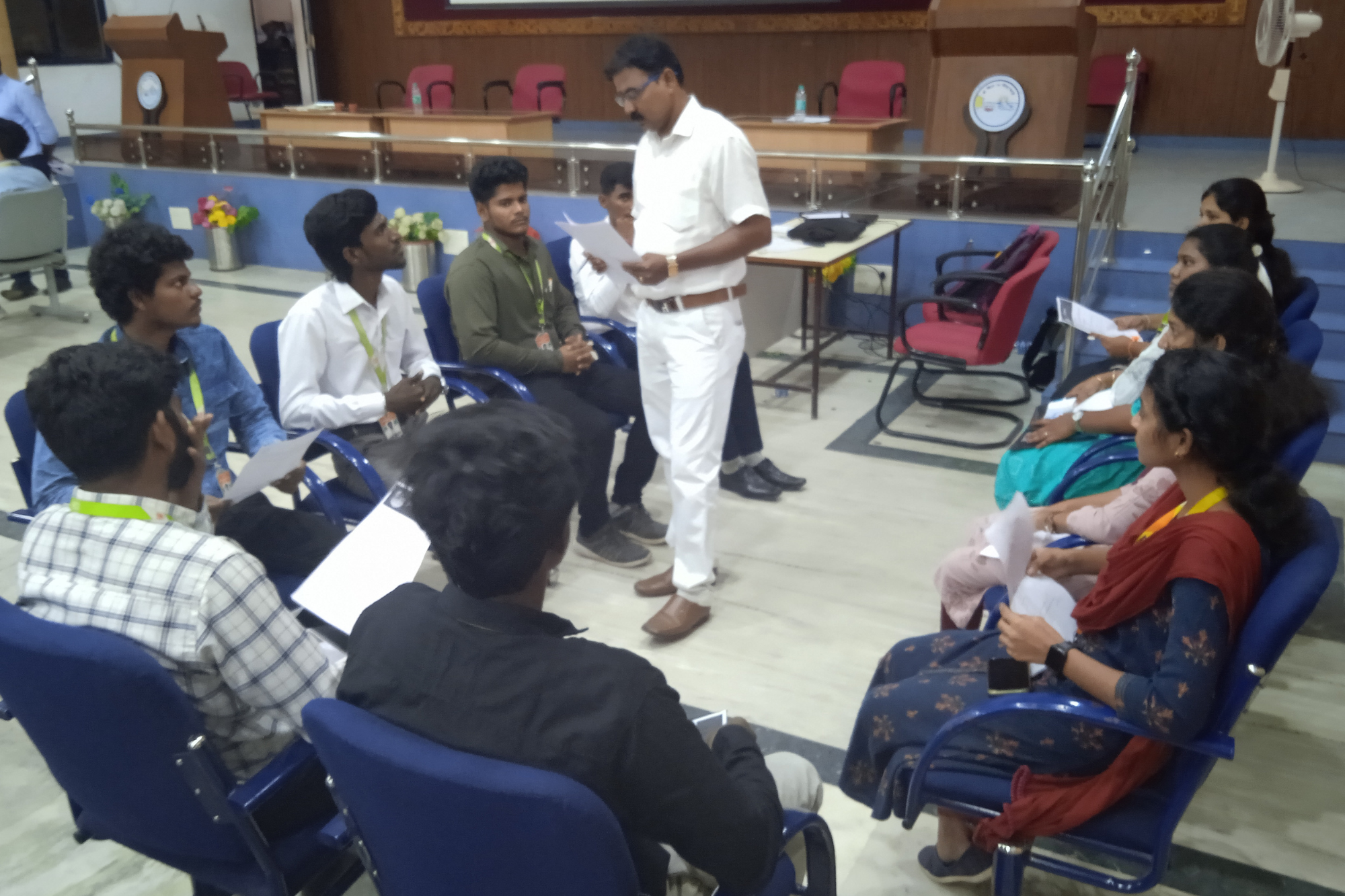
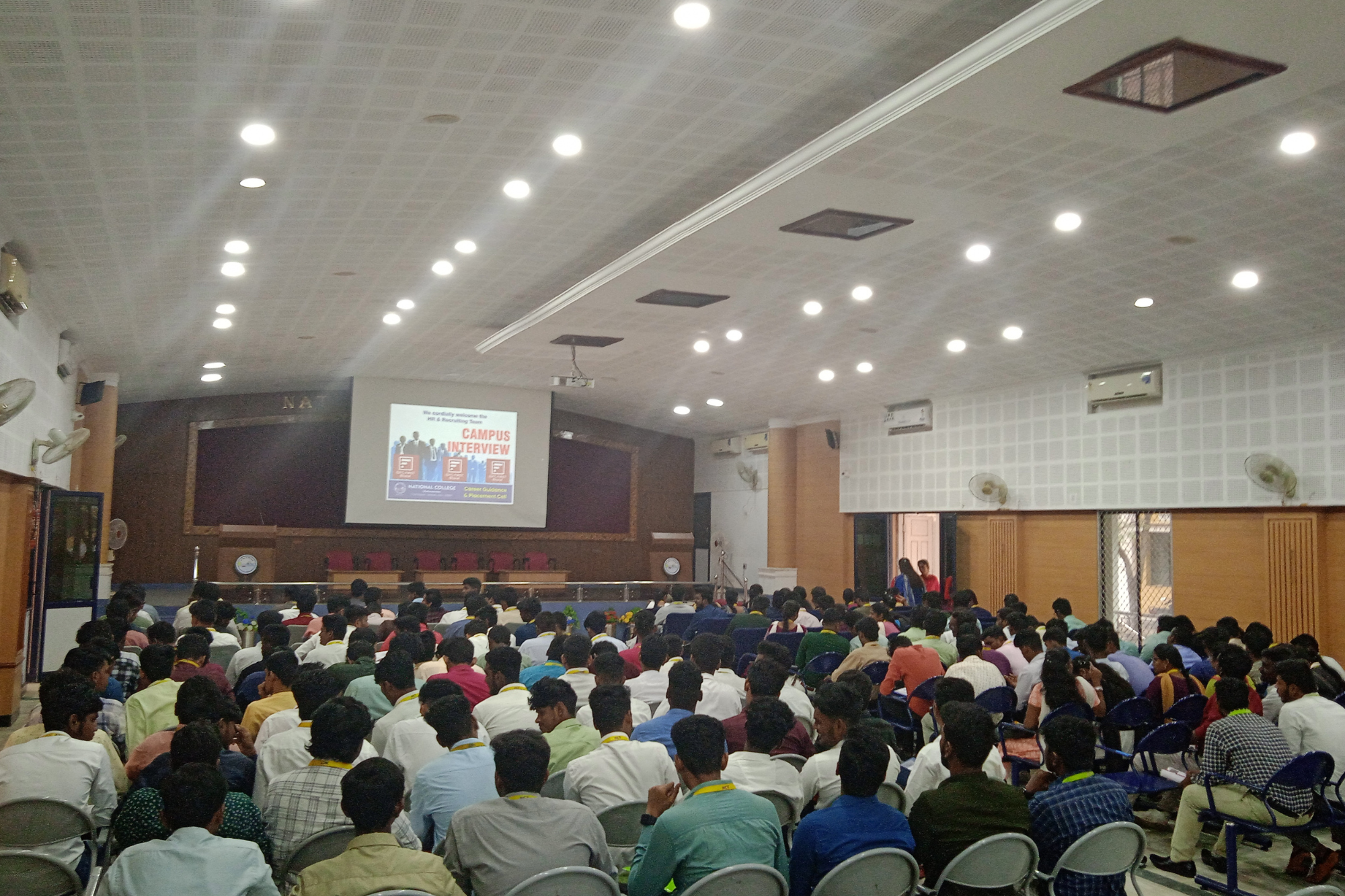
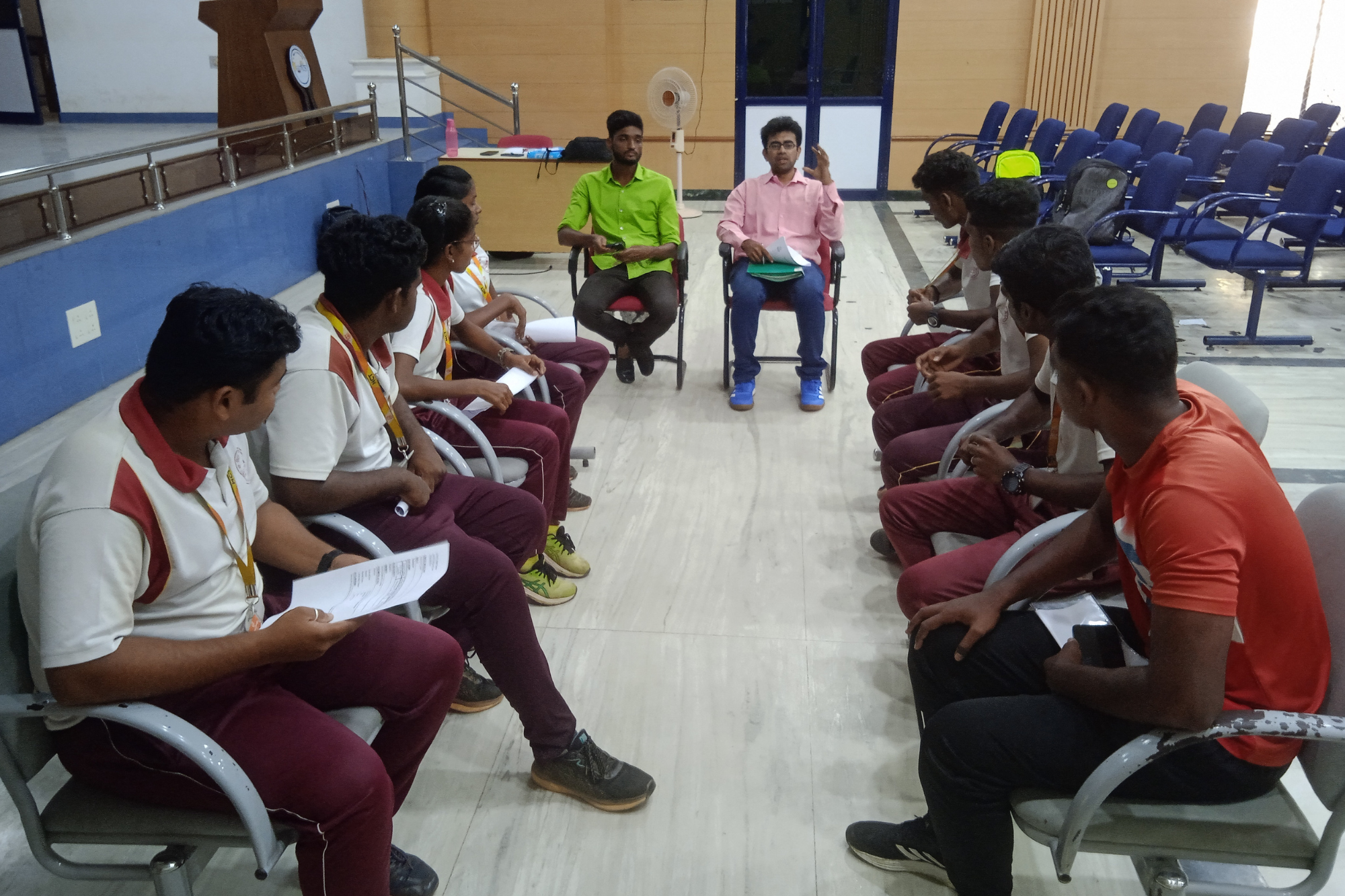
Dr.J.Karthikeyan





















Content for this page will be provided shortly
Content for this page will be provided shortly
Students who enroll for a Degree or Diploma programme shall appear for all the end semester examinations in the First Semester without having to apply for it. The fee for the examination is collected along with the Semester fee for every semester. However, from second semester onwards, students need to apply for the end semester examinations through ‘On-line’ registration system. The online exam application link is available on College website (www.nct.ac.in).
In case of students having arrear examinations, they need to specify the arrear courses at the time of online-submission of exam applications. The fee for arrear courses alone need to be paid through college office/bank separately. Upon successful completion of the online exam application procedure within the stipulated time period as communicated by the Controller’s office, the student may take out his own ‘Hall-Ticket’ in the printed format.
The student may not be able to apply for the online examination using his registration details if he / she has semester payment dues. If he / she falls short of the required percentage of attendance, He / She may not be able to download the Hall-Ticket.
Note: The online exam application weblink and hall ticket printing out facility may be kept open for students’ access only for a limited period of time as will be announced during the end of each semester. Beyond this time period, no student may have access to do so. Students who fail to apply through online mode for semester examinations may not be permitted to appear for the exams under any circumstances. Students who fail to print their own hall-ticket within this ‘access-period’ may not be permitted to appear for the exams under any circumstances.
Attendance: Students must have 75% of attendance in each semester for appearing the examination. Students who have 60% to 74% of attendance shall apply for condonation only for genuine medical reasons. Such candidates may apply for condonation with prescribed fee and a valid medical certificate. Students who have below 60% of attendance are not eligible to appear for the examination. They shall re-do the semester(s) after completion of the programme.
The Continuous Internal Assessment (CIA), is based on the performance of the student in the Assignment, Tests, Seminars and Attendance, every semester. This score is coupled with the Semester Examinations, to decide the percentage of marks secured by the student. This can be converted into the grade points. The Course Teacher evaluates the performance. This evaluation is consolidated at the end of the course. The components for the CIA are:
| Sl.No | Components | Undergraduate/th> | Postgraduate |
|---|---|---|---|
| 1 | Assignment | 2 x 3 = 06 Marks | 2 x 2 = 04 Marks |
| 2 | CIA I | 04 Marks | 05 Marks |
| 3 | CIA II | 10 Marks | 06 Marks |
| 4 | Seminar | ---- | 05 Marks |
| 5 | Attendance | 05 Marks | 05 Marks |
| Total | 25 Marks | 25 Marks |
Attendance percentage versus Continuous Internal Assessment Marks
| Sl.No | Range of Percentage | Marks Awarded |
|---|---|---|
| 1 | 96 to 100 | 5 |
| 2 | 91 to 95 | 4 |
| 3 | 86 to 90 | 3 |
| 4 | 81 to 85 | 2 |
| 5 | 75 to 80 | 1 |
| 6 | Less than 75 | 0 |
The components for the Continuous Internal Assessment for U.G. and P.G., in the Practical Examinations
| Sl.No | Component | Marks |
|---|---|---|
| 1 | Observation Notebook | 10 |
| 2 | Record Notebook | 10 |
| 3 | Model Practical Examinations | 05 |
| Total | 25 |
For the Courses which involve field work
| Sl.No | Component | Marks |
|---|---|---|
| 1 | Observation and Record Notebook | 10 |
| 2 | Field work | 10 |
| 3 | Model Test | 05 |
| Total | 25 |
For the Semester Practical Examinations
| Sl.No | Component | Marks |
|---|---|---|
| 1 | Practical Examination | 70 |
| 2 | Oral Examination / Viva Voce | 05 |
| Total | 75 |
Conversion of Marks to Grade points, Grades and Classifications
| Marks Rang | Grade Point | Grade | Classification |
|---|---|---|---|
| 90 and Above | 10 | O | Outstanding |
| 80 - 89 | 9 | A+ | Excellent |
| 70 - 79 | 8 | A | Very Good |
| 60 - 69 | 7 | B+ | Good |
| 50 - 59 | 6 | B | Above Average |
| 40 - 49 | 5 | C | Average |
| Below 40 | 0 | RA | Re-Appear |
GPA is calculated for a particular semester based on the credits earned and grade points secured.
CGPA represents the overall academic performance across all semesters completed by the student.
| CGPA | Grade | Classification of Final Result |
|---|---|---|
| 9.00 and Above | O | Outstanding |
| 8.00 to 8.99 | A+ | Excellent |
| 7.00 to 7.99 | A | Very Good |
| 6.00 to 6.99 | B+ | Good |
| 5.00 to 5.99 | B | Above Average |
| 4.00 to 4.99 | C | Average |
| Below 4.00 | RA | Re-Appear |
Note: GPA and CGPA for Part I, II, III, IV, & V are to be considered separately for UG Programme
Conversion of Marks to Grade points, Grades and Classifications
| Marks Range | Grade Point | Corresponding Grade | Classification |
|---|---|---|---|
| 90 and Above | 10 | O | Outstanding |
| 80 and Above but Below 90 | 9 | A+ | Excellent |
| 70 and Above but Below 80 | 8 | A | Very Good |
| 60 and Above but Below 70 | 7 | B+ | Good |
| 50 and Above but Below 60 | 6 | B | Above Average |
| Below 50 | 0 | RA | Re-Appear |
| Staff Name | Designation |
|---|---|
| Mr. M. Sivanandam, B.Sc. | Superintendent |
| Dr. K. Vijayalakshmi, M.A., PGDCA., Ph.D. | Assistant |
| Dr. S. Ganesan, M.A., M.Phil., B.Ed., Ph.D. | Assistant |
| Dr. K. Abarna, M.Com., Ph.D., SET., | Assistant |
| Mr. M. Harihara Guhan, B.Com. | Junior Assistant |
| Ms. S. Narayanee, M.A (HRA) | Junior Assistant |
| Mr. K. Manigandan, M.Com. | Junior Assistant |
| Ms. R. Reena, M.Sc. | Junior Assistant |
| Mr. S. Narasimhan, B.A. | Jr. Mechanic |
| Mrs. K. Usha Rani, B.Sc. | Store Keeper |
| Mr. M. Suresh | Lab Assistant |
| Dr. K.Pattabiraman, M.Com., M.Phil.,Ph.D.,SET., MBA | Lab Assistant |
| Mrs. S.Kavitha, B.Pharm | Lab Assistant |
| Mr. S.Arumugasamy, B.A., | Lab Assistant |
| Mr. S. Tamilarasan, D.C.E., | Lab Assistant |
| Ms. J. Akilandeswari, B.B.A., M.Sc., | Lab Assistant |
| Mr. P. Lakshmanan, M.Com., M.Phil., M.Ed., | Lab Assistant |
| Ms. S. Kosalai, M.Sc.,B.Ed | Lab Assistant |
| Ms. S. Krishnamoorthy, DCA | Lab Assistant |
| Mrs. J. Esther Fathima, B.B.A., | Lab Assistant |
| Mr. M.Mohammed Irfan, B.Sc., | Lab Assistant |
| Ms. S.Lakshmi, BBA | Lab Assistant |
| Ms. R.Lakshmi, BBA., MLIS | Lab Assistant |
| Ms. A.Vijayalakshmi, B.A., | Lab Assistant |
| Ms. N.Kalaimani, MBA., | Lab Assistant |
| Ms. P.Ilakiya, B.A., | Lab Assistant |
| Ms. N.Nagalakshmi, M.Sc., B.Ed., | Lab Assistant |
| Mr. N.Rajasekaran, BCA | Lab Assistant |
| Mr. V.Marikannan, B.Sc., DCA | Lab Assistant |
| Ms. M.Vijaya | Record Clerk |
| Mr. K.Viswanathan | Record Clerk |
| Ms. M.Revathi | Record Clerk |
| Ms. B.Sarojini | Record Clerk |
| Ms. R. Rani | Library Assistant |
| Ms. Radha Jeyalakshmi, MLISC., M.Phil | Library Assistant |
| Mr. A. Sebastian | Office Assistant |
| Mr. S.Suresh kumar, M.Sc., | Office Assistant |
| Ms. M.Ramya | Office Assistant |
| Staff Name | Designation |
|---|---|
| Mr. K.R.Ragunathan | Office Incharge |
| Mr. A.Thangaraju | Estate Officer |
| Mr. Amsa Mohan Raj | Adminstrative Officer |
| Mr.K.Dev Anand | Programmer |
| Mrs. Anbumani | Data Entry Operator |
| Ms. S. Umamaheshwari | Library Assistant |
| Mr. R. Kaliyamoorthy | Library Assistant |
| Ms. Pushpavalli | COE Office |
| Mrs. F.Prema | COE Office |
| Ms. Rohini | COE Office |
| Ms. Nalayani | COE Office |
| Ms. S.Raneeska | Programmer |
| Mr. R.Bharath | Programmer |
| Mr. Siva Sachin | Jr. Asst. |
| Mr. K.Karthick | NCIF Staff |
| Mr. S.Raja | Lab Assistant |
| Mr. D.Iyyappan | Lab Assistant |
| Mr. M. Pandiyan | Lab Assistant |
| Ms. P.Mallika | Office Assistant |
| Mr. N.Kumar | Network Engineer |
| Mr. P.Vivekanandan | Sys. Operator |
| Ms. G. Periyanayaki | Clerical Asst. |
| Ms. K. Vimala Veni | Clerical Asst. |
| Ms. M.Gayathri | Clerical Asst. |
| Mr. N. Mohanakrishnan | Driver |
| Mr. Bharathi | Supervisor |
| Mr. S.Sandhiyagu | Marker |
| Mr. K. Parthiban | Marker |
| Mr. Nagaraj | Marker |
| Ms. R.Dhanabakkiyam | House Keeping |
| Ms. R.Shanthi | House Keeping |
| Mr. C. Velusamy | Labour |
| Mr. M. Ponnar | Labour |
| Mr. A. Palanisamy | Labour |
| Mr. S.Balakrishnan | Plumber |
| Mr. C. John Britto | Gardener |
| Mr. Murugesan | Gardener |
| Mr. Arockiasamy | Gardener |
| Mr. Kumar | Sweeper |